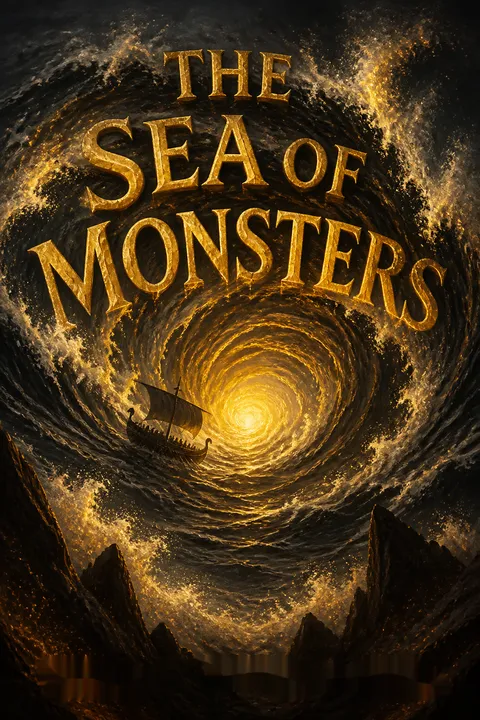

Summary Temporarily Unavailable
This summary is temporarily unavailable and is currently being updated. You can still explore the FAQs and other metadata below.
Resumen de la trama
Pesadilla en Florida
Percy Jackson sueña que un monstruo persigue a su amigo sátiro Grover en Florida. Grover se encuentra en una misión de la que ningún sátiro ha regresado jamás, e intenta advertir a Percy de un peligro inminente. Percy se despierta en su apartamento de Nueva York, inquieto por el sueño y por la sombra que le pareció ver fuera de su ventana. Su madre, Sally, lo anima a concentrarse en su último día de clases, pero Percy no puede librarse de la sensación de que algo va mal, especialmente con la advertencia de Grover resonando en su mente.
Balón prisionero caníbal
En la escuela, Percy es atacado por gigantes lestrigones disfrazados de estudiantes durante un partido de balón prisionero. Con la ayuda de su amigo Tyson, quien resulta ser un cíclope, Percy logra defenderse de los gigantes. Annabeth llega justo a tiempo para ayudarlos a escapar, y se enteran de que el Campamento Mestizo está en peligro. Las fronteras mágicas están fallando porque el árbol de Thalia ha sido envenenado, y deben encontrar una manera de salvarlo.
El taxi del tormento
Annabeth, Percy y Tyson toman un taxi mágico conducido por las Hermanas Grises para llegar rápidamente al Campamento Mestizo. Las hermanas son caóticas y casi chocan en varias ocasiones, pero les proporcionan unas coordenadas crípticas que podrían conducirlos al Vellocino de Oro, un poderoso artefacto que podría salvar el campamento. Al llegar, encuentran el campamento en desorden, con Quirón destituido y Tántalo, un espíritu maldito, a cargo.
La revelación del cíclope
Percy se entera de que Tyson es su medio hermano, un cíclope e hijo de Poseidón. A pesar de la vergüenza inicial, Percy llega a aceptar a Tyson como parte de su familia. El campamento se prepara para una carrera de cuadrigas, pero el verdadero objetivo es encontrar el Vellocino de Oro. Annabeth, Percy y Tyson emprenden una búsqueda para recuperarlo, con la esperanza de salvar a Grover y al campamento.
Caos en las cuadrigas
La carrera de cuadrigas en el Campamento Mestizo está llena de peligros mientras Percy y Annabeth se asocian para competir. A pesar de los intentos de sabotaje de otros campistas, logran ganar gracias a las habilidades mecánicas de Tyson y a la rapidez mental de Percy. La victoria es agridulce, ya que la seguridad del campamento sigue en peligro sin el Vellocino de Oro.
El canto de las sirenas
Durante su viaje, Annabeth insiste en escuchar el canto de las sirenas, el cual revela los deseos más profundos de cada persona. Percy la ata al mástil, pero debe salvarla cuando ella logra liberarse, casi ahogándose en su visión de un mundo perfecto. La experiencia deja a Annabeth conmocionada, y Percy se da cuenta de la profundidad de su anhelo por un mundo mejor.
La búsqueda del Vellocino
El grupo llega a la isla del cíclope Polifemo, donde Grover se encuentra cautivo. Deben sortear ovejas carnívoras y otros peligros para recuperar el Vellocino de Oro. Annabeth utiliza su ingenio para distraer a Polifemo, permitiendo que Percy y Tyson rescaten a Grover y a Clarisse, quien también había sido capturada.
La batalla contra Polifemo
Percy y sus amigos se enfrentan en una batalla contra Polifemo para recuperar el Vellocino de Oro. La fuerza de Tyson y la rapidez mental de Percy los ayudan a derrotar al cíclope. Escapan con el Vellocino, pero no sin antes darse cuenta de las implicaciones más profundas de su misión y de la amenaza acechante de Cronos.
El regreso al campamento
De vuelta en el Campamento Mestizo, el Vellocino de Oro sana el árbol de Thalia, restaurando las fronteras mágicas del campamento. Sin embargo, el poder del Vellocino funciona demasiado bien, reviviendo a Thalia, hija de Zeus, a partir del árbol. Su regreso añade un nuevo nivel de complejidad a la profecía sobre el destino del Olimpo.
El despertar de Thalia
El inesperado renacimiento de Thalia cambia la dinámica en el Campamento Mestizo. Su presencia introduce incertidumbre sobre la profecía que podría determinar el destino de los dioses. Percy lidia con las implicaciones del regreso de Thalia y la constante amenaza de Cronos, dándose cuenta de que sus desafíos están lejos de terminar.
Analysis
"El mar de los monstruos" explora temas como la identidad, la lealtad y la lucha entre el bien y el mal. El viaje de Percy es un camino de autodescubrimiento, mientras lidia con su herencia de semidiós y las responsabilidades que esta conlleva. La profecía añade una capa de tensión, ya que los personajes se enfrentan a la posibilidad de que la elección de un héroe determine el destino del Olimpo. La historia destaca la importancia de la amistad y del trabajo en equipo, mostrando cómo Percy y sus amigos confían los unos en los otros para superar las adversidades. El renacimiento de Thalia introduce incertidumbre y posibles conflictos, señalando la amenaza siempre presente de Cronos y la necesidad de unión entre los semidioses. A través de su mezcla de mitología y aventura moderna, el libro transmite la eterna lucha entre el orden y el caos, y el papel de los héroes en la construcción del destino del mundo.
Última actualización:
Report IssueResumen de reseñas
El mar de los monstruos recibe, en su mayoría, críticas positivas; los lectores elogian su humor, el desarrollo de los personajes y una trama de lo más emocionante. Muchos la consideran una secuela muy disfrutable, aunque algunos sienten que no llega a estar a la altura del primer libro. Los lectores aprecian los elementos de la mitología griega y la narración de Percy. Algunos critican que la estructura de la trama resulta repetitiva y los peligros, predecibles. El libro atrae tanto a lectores jóvenes como a adultos, y muchos lo consideran una lectura reconfortante y atractiva. En general, se considera una sólida continuación de la serie, con personajes memorables y diálogos ingeniosos.
También leyeron
Characters
Percy Jackson
Percy es un semidiós, hijo de Poseidón, que lucha con las responsabilidades de su herencia. Es valiente y leal, y a menudo se pone en peligro para proteger a sus amigos. A lo largo de la historia, Percy lidia con su identidad y con la profecía que podría determinar el destino del Olimpo.
Annabeth Chase
Hija de Atenea, Annabeth es inteligente y astuta. La mueve el deseo de demostrar su valía y a menudo actúa como la voz de la razón. Su anhelo de un mundo mejor se revela a través de su encuentro con las sirenas, lo que pone de manifiesto sus conflictos internos.
Tyson
Tyson es el medio hermano de Percy, un cíclope de buen corazón y sumamente leal. A pesar de enfrentarse a los prejuicios, demuestra su valor a través de su valentía y sus habilidades mecánicas. El viaje de Tyson es uno de aceptación y de búsqueda de su lugar en el mundo.
Grover Underwood
Grover es un sátiro y el mejor amigo de Percy, dedicado a encontrar al dios Pan. Es valiente y astuto, y a menudo aporta un toque de humor. El enlace de empatía de Grover con Percy resalta su profundo vínculo y su confianza mutua.
Clarisse La Rue
Hija de Ares, Clarisse es agresiva y está decidida a demostrar su valía. Su búsqueda del Vellocino de Oro es una oportunidad de redención, y aprende el valor de la amistad y del trabajo en equipo a través de sus interacciones con Percy y los demás.
Luke Castellan
Antiguo campista convertido en traidor, Luke actúa movido por el resentimiento hacia los dioses. Es carismático y manipulador, y busca derrocar al Olimpo. Las acciones de Luke son fundamentales para el desarrollo de la profecía y la amenaza de Cronos.
Chiron
Quirón es un centauro y el director de actividades del Campamento Mestizo. Es una figura paterna para Percy y los demás campistas, a quienes brinda orientación y apoyo. La conexión de Quirón con Cronos añade complejidad a su personaje y a los desafíos del campamento.
Polyphemus
Polifemo es un cíclope que captura a Grover y custodia el Vellocino de Oro. Es astuto y peligroso, y utiliza su ingenio para atraer a los sátiros a su isla. Polifemo representa los desafíos monstruosos que Percy y sus amigos deben superar.
Tantalus
Tántalo es un espíritu condenado a no poder saciar nunca su hambre, que se encuentra temporalmente a cargo del Campamento Mestizo. Es manipulador y egoísta, lo que genera tensiones y dificultades para los campistas. Su presencia pone de relieve los conflictos internos del campamento.
Thalia Grace
Hija de Zeus, Thalia es revivida por el Vellocino de Oro, lo que añade una nueva dimensión a la profecía. Su regreso introduce incertidumbre y posibles conflictos, ya que su presencia podría alterar el destino del Olimpo y de los semidioses.
Plot Devices
Prophecy
La profecía sobre un hijo de los Tres Grandes que alcanzará los dieciséis años es el eje central de la historia. Crea tensión e incertidumbre, mientras los personajes lidian con sus implicaciones y con la posibilidad de que un solo héroe salve o destruya el Olimpo.
Golden Fleece
El Vellocino de Oro es un objeto mágico capaz de curar y restaurar la vida. Su recuperación es la misión principal, y su poder se revela cuando revive a Thalia, alterando el curso de los acontecimientos e introduciendo nuevos desafíos.
Empathy Link
El enlace de empatía entre Percy y Grover les permite compartir emociones y experiencias. Resalta su profundo vínculo y sirve como recurso argumental para transmitir el peligro que corre Grover y la urgencia de la misión.
Mist
La Niebla es una fuerza mágica que oculta la verdadera naturaleza del mundo a los ojos de los mortales. Desempeña un papel fundamental al disimular la naturaleza de cíclope de Tyson y permite a los semidioses desenvolverse en el mundo mortal sin llamar la atención.
Chariot Race
La carrera de cuadrigas en el Campamento Mestizo es una prueba de habilidad y estrategia que simboliza el carácter competitivo de los campistas y la importancia del trabajo en equipo. Sirve como telón de fondo para el desarrollo de los personajes y la resolución de conflictos.
Preguntas frecuentes
Synopsis & Basic Details
What is The Sea of Monsters about?
- Dangerous quest for Fleece: Percy, Annabeth, and Tyson embark on a perilous journey to the Sea of Monsters to retrieve the Golden Fleece and save Camp Half-Blood, facing mythical creatures and treacherous landscapes.
- Grover's rescue mission: The quest is also driven by Percy's desire to rescue his friend Grover, who is trapped by the Cyclops Polyphemus, adding a personal stake to the larger mission.
- Camp Half-Blood in peril: The magical borders of Camp Half-Blood are failing due to a poisoned tree, forcing the demigods to seek a powerful artifact to restore its protection, highlighting the vulnerability of their safe haven.
Why should I read The Sea of Monsters?
- Action-packed adventure: The book is filled with thrilling action sequences, from a dodgeball game with giants to a chariot race and battles with mythical monsters, keeping readers engaged.
- Character development: The story delves deeper into the characters' relationships and personal struggles, particularly Percy's acceptance of Tyson as his brother and Annabeth's internal conflicts, adding emotional depth.
- Mythological exploration: It seamlessly blends Greek mythology with modern settings, introducing readers to new creatures and gods while exploring themes of fate, heroism, and the struggle between good and evil.
What is the background of The Sea of Monsters?
- Greek mythology foundation: The story is deeply rooted in Greek mythology, drawing inspiration from the Odyssey and the Argonauts, incorporating familiar monsters and gods into a contemporary setting.
- Camp Half-Blood setting: The story builds upon the established world of Camp Half-Blood, a training ground for demigods, and expands the mythology by introducing new locations and challenges.
- Modern American context: The narrative is set in modern America, with references to contemporary culture and technology, creating a unique blend of ancient myths and modern life.
What are the most memorable quotes in The Sea of Monsters?
- "Have to get away. Have to warn them!": This quote, from Grover's dream, foreshadows the danger and urgency of the quest, highlighting the importance of communication and warning in the face of evil.
- "You are a good friend. Miss you next year if … if I can't …": Tyson's vulnerable statement reveals his fear of abandonment and his deep appreciation for Percy's friendship, emphasizing the theme of loyalty.
- "You can't give up on your family, no matter how tempting they make it.": Hermes's words to Percy about Luke highlight the complex nature of family relationships and the importance of forgiveness, even when faced with betrayal.
What writing style, narrative choices, and literary techniques does Rick Riordan use?
- First-person perspective: The story is told from Percy's point of view, allowing readers to experience his thoughts, emotions, and humorous observations, creating a personal and engaging narrative.
- Fast-paced and action-oriented: Riordan employs a fast-paced writing style with frequent action sequences, keeping the story moving and maintaining reader interest.
- Humor and wit: The narrative is infused with humor and wit, often through Percy's sarcastic commentary and the absurd situations he encounters, making the story entertaining and accessible.
Hidden Details & Subtle Connections
What are some minor details that add significant meaning?
- Blue food symbolism: Sally Jackson's tradition of making blue food for special occasions symbolizes hope and the possibility of miracles, reflecting her belief in Percy's potential and the extraordinary nature of their lives.
- Tyson's fear of underground travel: Tyson's fear of traveling underground foreshadows his connection to the Cyclopes, who are often associated with the earth and its depths, hinting at his true nature.
- The Gray Sisters' taxi: The Gray Sisters' taxi, with its chaotic nature and cryptic directions, foreshadows the unpredictable and dangerous journey ahead, highlighting the challenges of the quest.
What are some subtle foreshadowing and callbacks?
- The shadow at the window: The recurring shadow Percy sees at his window foreshadows Annabeth's presence and her role in the events to come, hinting at her watchful nature and her connection to Percy.
- Grover's empathy link: The empathy link between Percy and Grover, established in the first book, is used to foreshadow Grover's danger and the urgency of the quest, highlighting the importance of their bond.
- The mention of Jason: The Gray Sisters' mention of Jason foreshadows the importance of the Golden Fleece and its connection to past heroes, linking Percy's quest to a larger mythological narrative.
What are some unexpected character connections?
- Tyson and Poseidon: The revelation that Tyson is Poseidon's son creates a complex family dynamic, highlighting the unpredictable nature of the gods and their relationships with mortals.
- Chiron and Kronos: The revelation that Chiron is the son of Kronos adds a layer of complexity to his character and his role as a mentor, highlighting the internal conflicts and divided loyalties within the mythological world.
- Annabeth and Thalia: The connection between Annabeth and Thalia, revealed through their shared history and the safe houses they built, highlights the importance of female friendships and the impact of past events on the present.
Who are the most significant supporting characters?
- Tyson: As Percy's half-brother, Tyson's loyalty and strength are crucial to the quest, and his unique perspective as a Cyclops adds depth to the story, challenging preconceived notions about monsters.
- Chiron: As Percy's mentor, Chiron provides guidance and support, and his connection to Kronos adds a layer of complexity to his character, highlighting the internal conflicts and divided loyalties within the mythological world.
- Clarisse: As a rival turned ally, Clarisse's journey highlights the importance of teamwork and overcoming personal biases, and her role in retrieving the Fleece is crucial to the camp's survival.
Psychological, Emotional, & Relational Analysis
What are some unspoken motivations of the characters?
- Percy's need for acceptance: Percy's desire to prove himself and gain recognition from his father, Poseidon, drives his actions, highlighting his struggle with his identity and his place in the world.
- Annabeth's desire for control: Annabeth's need to control her environment and her future is evident in her meticulous planning and her desire to be an architect, reflecting her fear of chaos and her longing for a better world.
- Luke's resentment towards the gods: Luke's deep-seated resentment towards the gods and his desire to overthrow Olympus fuel his actions, highlighting his internal conflict and his belief that he can create a better world.
What psychological complexities do the characters exhibit?
- Percy's internal conflict: Percy struggles with his identity as a demigod and his feelings of inadequacy, often questioning his abilities and his place in the world, highlighting his internal battle with self-doubt.
- Annabeth's fatal flaw: Annabeth's hubris, revealed by the Sirens, highlights her internal struggle with pride and her desire to control her own destiny, showcasing her vulnerability despite her intelligence.
- Luke's manipulation and self-deception: Luke's manipulation of others and his self-deception about his own motives reveal his internal conflict and his struggle with his own identity, highlighting his tragic fall from grace.
What are the major emotional turning points?
- Percy's acceptance of Tyson: Percy's initial embarrassment about Tyson transforms into acceptance and love, highlighting the importance of family and loyalty, and marking a significant emotional shift.
- Annabeth's encounter with the Sirens: Annabeth's experience with the Sirens forces her to confront her deepest desires and fears, leading to a moment of vulnerability and self-reflection, and revealing her internal struggles.
- The loss of Tyson: Percy's grief over Tyson's apparent death highlights the emotional stakes of the quest and the deep bonds of friendship, emphasizing the impact of loss and the importance of cherishing relationships.
How do relationship dynamics evolve?
- Percy and Annabeth's partnership: The relationship between Percy and Annabeth evolves from a competitive rivalry to a deep partnership, highlighting their mutual respect and reliance on each other, and their growing trust.
- Percy and Tyson's brotherhood: The bond between Percy and Tyson deepens throughout the story, as Percy learns to accept Tyson as his brother, highlighting the importance of family and loyalty, and challenging preconceived notions about monsters.
- Clarisse's grudging respect: Clarisse's initial hostility towards Percy transforms into a grudging respect, highlighting the importance of overcoming personal biases and the power of shared experiences.
Interpretation & Debate
Which parts of the story remain ambiguous or open-ended?
- The full extent of Kronos's plan: The story leaves the full extent of Kronos's plan ambiguous, creating suspense and uncertainty about the future, and highlighting the ongoing threat to Olympus.
- The true meaning of the prophecy: The prophecy concerning the child of the Big Three remains open to interpretation, leaving the reader to wonder about Percy's role and the potential for other demigods to fulfill the prophecy.
- The long-term effects of the Fleece: The long-term effects of the Fleece on Thalia and the camp are left open-ended, creating uncertainty about the future and the potential for unforeseen consequences.
What are some debatable, controversial scenes or moments in The Sea of Monsters?
- Annabeth's desire to hear the Sirens' song: Annabeth's decision to hear the Sirens' song, despite the danger, raises questions about the nature of curiosity and the allure of forbidden knowledge, sparking debate about the value of self-discovery versus self-preservation.
- Percy's decision to trust Clarisse: Percy's decision to trust Clarisse with the Fleece, despite her past actions, raises questions about the nature of forgiveness and the potential for redemption, sparking debate about the value of second chances.
- The morality of using monsters: The use of monsters, like Tyson, for good purposes raises questions about the nature of good and evil, and the potential for redemption, sparking debate about the treatment of those deemed "monstrous."
The Sea of Monsters Ending Explained: How It Ends & What It Means
- Thalia's revival: The revival of Thalia, daughter of Zeus, is a major turning point, adding a new layer of complexity to the prophecy and introducing a new player in the battle against Kronos, highlighting the unpredictable nature of fate.
- The Fleece's power: The Fleece's ability to heal and restore life is both a blessing and a curse, as it brings hope to the camp but also creates new challenges and uncertainties, highlighting the double-edged nature of power.
- The ongoing threat of Kronos: Despite the success of the quest, the story ends with the looming threat of Kronos, emphasizing that the battle between good and evil is far from over, and that the heroes must continue to prepare for the challenges ahead.
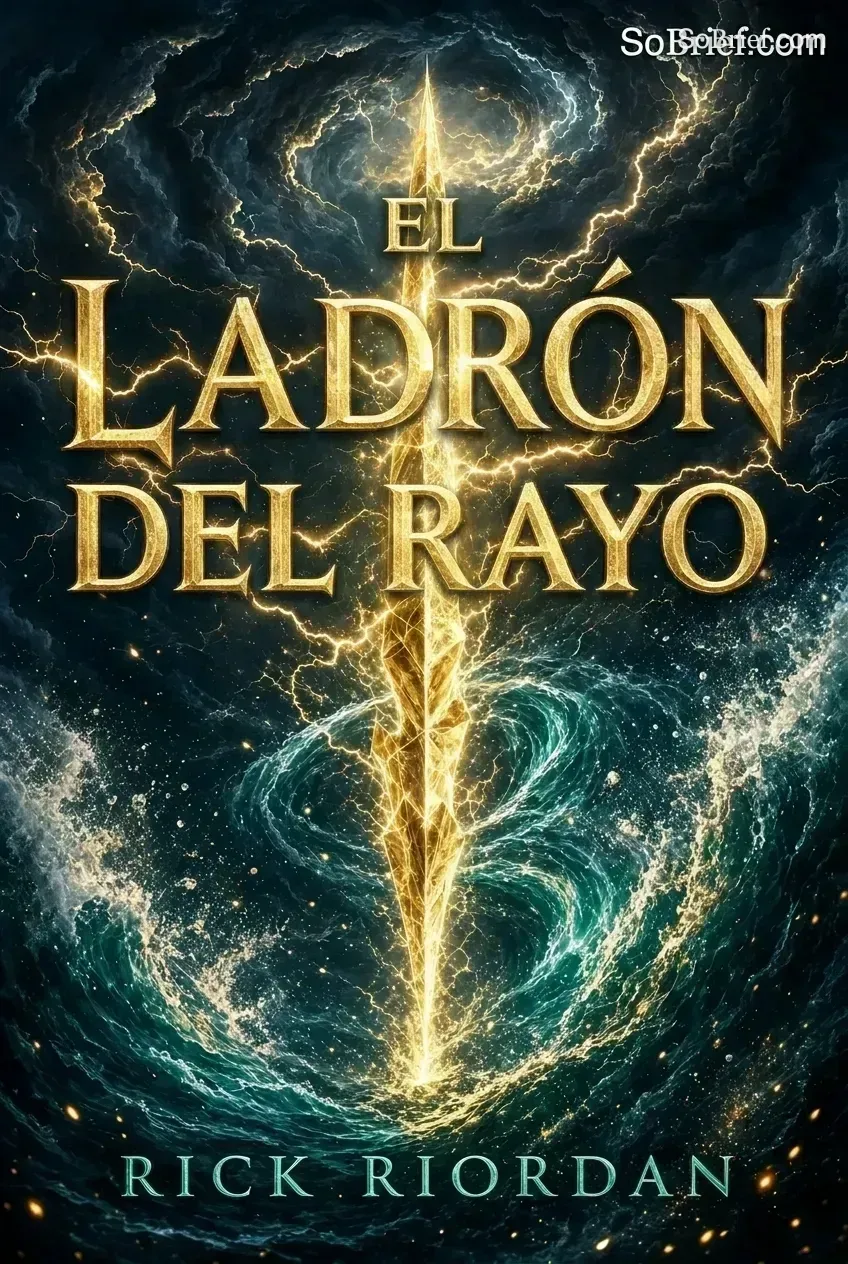
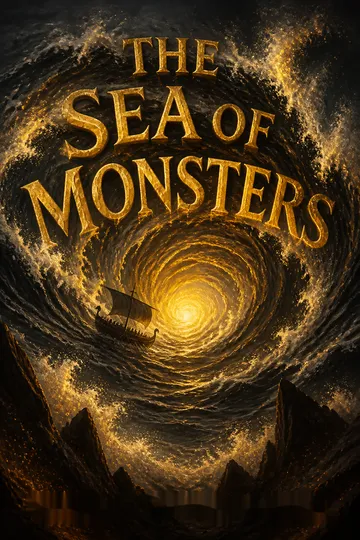
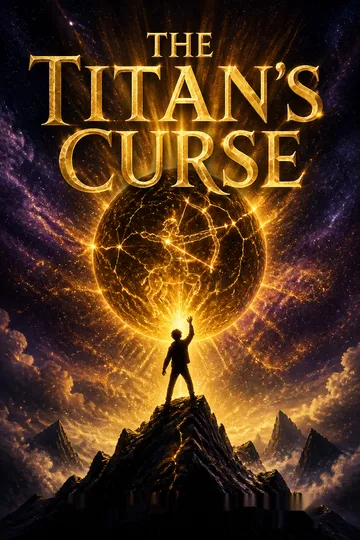
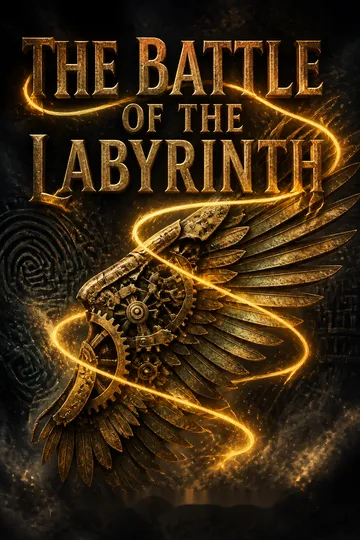
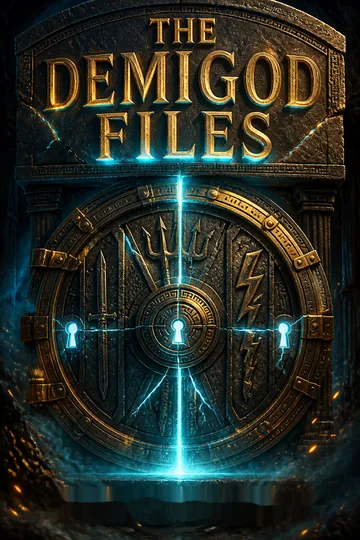
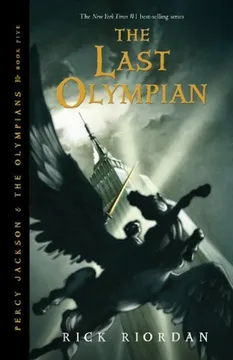
Crónicas del Campamento Mestizo Serie
Sobre el autor
Rick Riordan es un autor de gran éxito de ventas, conocido por su popular serie de Percy Jackson. Ha escrito numerosos libros que combinan escenarios modernos con mitología antigua, atrayendo tanto a jóvenes como a lectores adultos. Las obras de Riordan suelen presentar a protagonistas adolescentes que se enfrentan a peligrosas misiones mientras lidian con su crecimiento personal y sus relaciones. Su estilo de escritura se caracteriza por el humor, la acción y explicaciones accesibles de conceptos mitológicos complejos. El éxito de Riordan ha dado lugar a múltiples series derivadas y adaptaciones de su obra. Se ha convertido en una figura destacada de la literatura juvenil, inspirando a una nueva generación de lectores a interesarse por la mitología clásica.
Otros libros de Rick Riordan
Descargar PDF
Descargar EPUB
.epub digital book format is ideal for reading ebooks on phones, tablets, and e-readers.








































