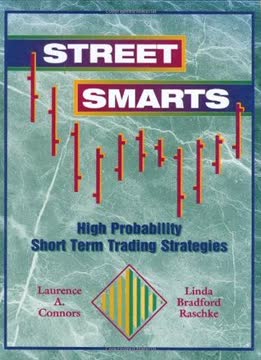
核心要点
1. 在交易中重视经验胜于理论
尽管我们不断追求知识,市场本身却告诉我们,获得最终“学位”没有捷径。
实战经验。 理论知识固然重要,但市场更看重实战经验。书本和技术分析只能带你走到一定程度,真正的交易教训只能在市场的起伏中体会。交易的“最终学位”是通过应对市场波动、适应其特性,并从成功与失败中不断学习而获得的。
从挫折中学习。 学习态度至关重要。接受挫折是必然的,并从中吸取教训,比一味重复错误更有成效。经验是最好的老师,市场会不断重复教训,直到你真正学会为止。
个人优势。 个人交易者的优势远比自己想象的多!个人比电脑更能准确判断支撑和阻力。几招交易技巧加上一点常识,往往比所有技术分析书籍加起来更有用。
2. 一致性是交易成功的关键
我们认识的每位成功交易者都深知一致性的重要性。
连贯的方法论。 一致性是成功交易的基石。它需要连贯的方法论和明确的交易策略。缺乏一致性,交易就会变得杂乱无章,难以实现持续盈利。
遵循策略。 一致性意味着遵守一套明确的规则和原则,包括识别特定的交易形态、风险管理以及按照预定计划执行交易。虽然本书介绍了多种策略,但它们的共同起点都是:首先最小化风险。
专注一招。 许多顶尖交易者之所以成功,是因为他们只专注于一种策略。专注并精通一项技能,往往比同时掌握多种方法更有效。关键是找到适合自己性格和交易风格的策略,并坚持执行。
3. 先控制风险,再追求收益
最重要的秘诀是:学会倾听市场,而非强加自己的意志。
风险优先。 成功交易以风险管理为先,而非盲目追求利润。考虑潜在收益之前,必须先定义并控制风险。这包括设置止损单、管理仓位大小,以及了解每笔交易的潜在亏损。
利润自然而来。 利润会在合适的条件下自然出现。专注于降低风险敞口,利润便会随之而来。这需要耐心、纪律,以及让市场决定结果的心态。
降低敞口。 最重要的信念是:必须寻找风险明确且敞口最小的交易机会。即寻找风险点清晰、且有快速获利潜力的交易。目标是在市场中停留时间有限,减少不利事件发生的可能。
4. 摆动交易基础:预判、控制风险与灵活应变
摆动交易就是预判市场下一步走势,判断最可能的结果。
预判市场走势。 摆动交易要求预判市场下一步动作,并据此布局获利。这需要理解市场动态,识别潜在支撑阻力位,以及辨认预示未来价格变动的形态。
控制风险。 每笔交易的首要目标是控制风险,而非追求最大利润。仓位管理应根据交易后的市场表现调整,结果无法完全预测。
灵活应变。 摆动交易不应死守反应,也不应轻易放弃已获利润。应在价格顺势或刚反转时退出,利用移动止损锁定利润。
5. 资金管理:交易的基石
本书中任何交易策略,若无良好资金管理,均毫无用处。
将亏损降至最低。 资金管理是交易者最重要的技能。既要将亏损和回撤控制在最低,又要最大化盈利机会。
短线交易。 短线交易者很少靠单笔交易赚大钱。与趋势跟随者容忍大回撤以追求爆发不同,短线交易者必须严格控制亏损,确保生存。
资金管理原则。 本书所有模式均遵循相同资金管理方法。原则包括:一次性全仓入场,设置初始保护止损,迅速分批减仓,若市场出现抛物线或区间扩张走势,则全仓获利了结。
6. 掌握测试策略:海龟汤模式
“海龟汤”模式体现了摆动交易中基本的测试理念,是一种波动性强且潜在收益丰厚的形态。
识别假突破。 海龟汤策略旨在识别20日高点或低点的假突破。等待市场创出新20日高点或低点后反转,借机捕捉被套的突破买家。
买入规则。 当日必须创出新20日低点,且越低越好;前一个20日低点至少在四个交易日前;市场跌破前20日低点后,在前低上方5-10个点位设置买入止损单;买入止损触发后,立即在当日低点下方一个点位设置保护性止损;盈利后使用移动止损锁定利润。
海龟汤加一。 “海龟汤加一”与海龟汤类似,但发生在次日。适用于所有市场和时间框架,寻找市场创出中期新高/新低后次日反转。
7. 回调形态:“反向”与ADX交易
“反向”形态是利用振荡指标识别并交易优质摆动形态的可靠方法之一。
“反向”形态。 利用慢速%D随机指标的斜率判断趋势。最佳交易时机是%K线回调至少两到三根K线时。这类形态往往爆发力强,是我偏好的交易类型。
圣杯策略。 圣杯策略精确测量回调后入场时机。入场后期待趋势延续。14周期ADX需大于30且上升,价格回调至20周期指数移动均线,触及均线时,在前一根K线高点上方设置买入止损单,成交后在新形成的摆动低点设置保护性止损。
ADX跳空策略。 ADX跳空策略是一种简单的回调入场方法,顺应趋势方向。类似其他跳空反转策略,但以ADX及+DI/-DI作为过滤器,提高整体盈利能力。
8. 高潮反转:识别疲劳点
最成功的高潮交易发生在高波动环境中,且市场已完成反转之后。
高潮交易。 成功的高潮交易需在高波动环境下,且市场已反转。必须确认“高潮止损点”已形成后再入场。若入场正确,市场应迅速向有利方向移动。
鞭打策略。 利用跳空机会,在收盘时(MOC)入场,满足特定条件即可。此策略独特之处在于不要求跳空必须被回补。关注早盘跳空后下午反转的交易日。
三日未回补跳空反转。 市场必须在三日内开始回补未回补跳空。当天市场跳空向下且未回补,接下来的三日内,在跳空日高点上方一个点位设置买入止损,成交后在跳空日低点设置保护止损,并用移动止损保护利润。
9. 突破模式:区间收缩策略
摆动交易只有在震荡和良好波动性下才有利可图。
区间收缩。 市场经历休整或区间收缩后,往往会迎来趋势日。趋势日指市场开盘位于区间一端,收盘位于另一端。
ID/NR4形态。 NR4是指过去四天中日内波幅最窄的一天。内盘日(Inside Day)指当日最低高于前一日最低,最高低于前一日最高。两者结合形成ID/NR4形态。
历史波动率。 结合历史波动率指标与Toby Crabel的NR4或内盘日形态,能有效识别关键爆发点。
10. 市场智慧:倾听而非强加
本书将提升你倾听市场的能力。
倾听市场。 成功交易关键在于“倾听市场”,即观察价格行为、识别形态、理解驱动市场的内在动力。需摒弃个人偏见,让市场引导决策。
避免方向偏见。 交易中最大敌人是方向偏见——无论是你自己的、经纪人的还是朋友的。屏蔽它!专注于图表“右侧”——即当前形态。
逆向思维。 运用逆向逻辑交易并不容易。必须抛弃所有先入为主的观念,才能真正倾听市场,识别其反向行为。
11. 新闻反转:逆势交易
逻辑思维往往会把你带向贫穷。
逆势交易。 逆势交易是一种高收益策略,识别市场对新闻或事件的过度反应,借机布局反转获利。
早间新闻反转。 早间经济新闻发布时,价格波动剧烈,充满不确定性,带来交易机会。
大局新闻反转。 大局新闻反转属于中长期策略(区别于早间新闻短线交易),需要耐心等待初始形态,通常能持仓数周。
12. 准备与日常:交易者的优势
前一晚做好功课,为次日交易做准备,重要性不言而喻!
预判形态。 摆动交易的核心是预判形态,避免次日被动应对。临时交易难以为继。
日常习惯。 职业运动员有比赛计划,职业交易者也需日常习惯和仪式感,保持稳定心态,专注于次日交易机会。
记录交易。 记录交易是最有效的练习。我会写下入场时间、买卖方向、数量、合约及成交价。交易未平仓时日志保持开启,平仓时补充出场时间和价格。
读者评价
《Street Smarts》因其实用的交易策略和对职业交易者心态的深刻洞察而备受推崇。读者喜欢其对话式的写作风格,涵盖多种市场的具体操作方案,以及对资金管理的重视。该书特别强调短线交易,尤其是日内交易和波段交易,因而获得广泛好评。尽管部分策略可能略显过时,但整体理念和方法依然具有重要价值。读者认为书中资深交易者分享的细节、日常操作流程和实用技巧尤为受用。无论是新手还是有经验的交易者,都能从中获得丰富的策略和哲学启示,值得推荐一读。
其他人还在读
 沉浸式
沉浸式
 沉浸式
沉浸式

 沉浸式
沉浸式
常见问题
1. What’s "Street Smarts: High Probability Short-Term Trading Strategies" by Linda Bradford Raschke about?
- Focus on Short-Term Trading: The book is a practical manual for active traders, focusing on high-probability, short-term trading strategies for equities and futures.
- Emphasis on Swing Trading: It teaches swing trading, which involves trading around support and resistance levels and using stops to minimize risk.
- Real-World Strategies: The book presents a collection of precise, actionable trading setups and patterns, rather than theoretical technical analysis.
- Experience-Based Insights: Written by two seasoned traders, it shares lessons learned from decades of professional trading, including both successes and mistakes.
2. Why should I read "Street Smarts" by Linda Bradford Raschke and Larry Connors?
- Proven, Practical Strategies: The book offers strategies that have been successfully used by the authors and their colleagues for years.
- Focus on Risk Management: It emphasizes the importance of minimizing risk and using protective stops, which is crucial for trading survival.
- Adaptable to All Markets: The patterns and setups can be applied to any market and timeframe, making them versatile for different traders.
- Realistic Trading Advice: The authors provide honest discussions about the psychological challenges of trading and the importance of consistency and discipline.
3. What are the key takeaways from "Street Smarts" by Linda Bradford Raschke?
- Consistency and Methodology: Successful trading requires a coherent methodology and consistent application of strategies.
- Risk First, Profit Second: Always define and control risk before seeking profits; protective stops are non-negotiable.
- Specialize for Success: Mastering even a single pattern or setup can be enough to make a living as a trader.
- Market Listening: Learn to listen to the market rather than imposing your own opinions or biases.
- Money Management is Critical: The overwhelming reason traders fail is poor money management, not poor entry methods.
4. What is swing trading according to "Street Smarts" by Linda Bradford Raschke?
- Definition and Approach: Swing trading is anticipating the market’s next move, focusing on probable outcomes rather than predictions.
- Types of Trades: The book identifies three main swing trading setups—tests (of highs/lows), retracements, and climax reversals.
- Risk Minimization: The main goal is to minimize risk, not maximize profit, by using tight stops and quick exits.
- Timeframe and Activity: Swing trades are typically held for a few hours to a few days, capitalizing on short-term price movements.
5. How does "Street Smarts" by Linda Bradford Raschke approach money management?
- Essential for Survival: Every strategy in the book is useless without strict money management; keeping losses small is paramount.
- Use of Protective Stops: Always place an initial stop on the entire position, just below/above the most recent high/low.
- Scaling Out and Locking Profits: As trades become profitable, scale out or move stops to protect gains.
- Avoiding Catastrophic Losses: Never add to losing positions, and always exit losing trades quickly to prevent large drawdowns.
6. What is the "Turtle Soup" strategy in "Street Smarts" by Linda Bradford Raschke?
- False Breakout Reversal: Turtle Soup exploits false breakouts of 20-day highs/lows, entering trades when the breakout fails and reverses.
- Entry and Stop Rules: Enter on a reversal above/below the previous 20-day high/low, with a stop just beyond the day’s extreme.
- Short-Term Focus: Trades typically last a few hours to a few days, with tight risk control and trailing stops.
- Re-Entry Option: If stopped out early, the strategy allows for a re-entry at the original entry price within the next day or two.
7. What are the "Turtle Soup Plus One" and "80-20’s" strategies in "Street Smarts" by Linda Bradford Raschke?
- Turtle Soup Plus One: Similar to Turtle Soup, but the reversal entry is triggered the day after a new 20-day high/low, making it easier to anticipate and plan.
- 80-20’s Day Trading: This strategy exploits the tendency for markets that open in one extreme of the daily range and close in the other to reverse the next day.
- High Probability Reversals: Both strategies are designed to capture short-term reversals with defined risk and quick profit-taking.
- Applicability: These setups work across different markets and timeframes, including intraday charts.
8. How does "Street Smarts" by Linda Bradford Raschke use momentum and retracement strategies like "Momentum Pinball" and "The Anti"?
- Momentum Pinball: Uses a 3-period RSI of a 1-period rate of change to identify overbought/oversold conditions, entering on a breakout of the first hour’s range.
- The Anti: Utilizes a stochastic oscillator to spot retracements in a trending market, entering when the fast line hooks back in the direction of the slow line.
- Quick Trades: Both strategies are designed for short-term trades, typically lasting one to four bars or days.
- Confirmation and Stops: Entries are confirmed by price action, and stops are placed at logical swing points to minimize risk.
9. What is the role of the ADX indicator in "Street Smarts" by Linda Bradford Raschke, especially in the "Holy Grail" and "ADX Gapper" strategies?
- ADX Measures Trend Strength: The Average Directional Index (ADX) is used to identify strong trending markets (ADX > 30).
- Holy Grail Setup: Buy the first pullback to the 20-period EMA in a strong trend, confirmed by a high and rising ADX.
- ADX Gapper: Enter trades when a market gaps against the trend in a strong ADX environment, using +DI/-DI for trend direction.
- Objective Entries and Exits: Both strategies provide clear entry, stop, and exit rules, focusing on continuation moves in established trends.
10. How does "Street Smarts" by Linda Bradford Raschke address breakout and volatility expansion strategies?
- Range Contraction Patterns: The book highlights setups like ID/NR4 (Inside Day/Narrowest Range of 4 days) and NR7 (Narrowest Range of 7 days) as precursors to breakout moves.
- Dual Stop Entries: Place both buy and sell stops around the range, letting price action determine trade direction.
- Volatility Filters: Combines historical volatility measures with pattern recognition to identify explosive moves.
- Quick Profit Focus: Trades are held for one to four days, with trailing stops to lock in gains and quick exits if the move doesn’t materialize.
11. What are the key subjective and pattern recognition setups in "Street Smarts" by Linda Bradford Raschke, such as "Three Little Indians" and "Wolfe Waves"?
- Three Little Indians: A climax reversal pattern formed by three symmetrical peaks or troughs, signaling exhaustion and a potential reversal.
- Spike and Ledge, Fakeout-Shakeout: Other subjective patterns that identify exhaustion and failed breakouts, offering low-risk entry points.
- Wolfe Waves: A unique wave structure based on Newton’s law, projecting reversal and price targets using a specific five-point count.
- Tape Reading and Timing: These setups require active monitoring and quick execution, with stops placed at logical risk points.
12. What are the most important psychological and trade management lessons from "Street Smarts" by Linda Bradford Raschke?
- Consistency Over Perfection: Focus on consistent application of strategies rather than seeking perfect trades or exits.
- Preparation and Routine: Doing homework and maintaining trading logs are essential for discipline and long-term success.
- Avoiding Bias and Overtrading: Shut out opinions and avoid trading in dull markets or carrying losing positions overnight.
- Money Management Above All: The book’s research and experience show that superior money management, not just strategy edge, is the main determinant of trading longevity and success.
Bonus: What are the best quotes from "Street Smarts" by Linda Bradford Raschke and what do they mean?
- "Learn to listen to the markets and do not impose your own will upon them." — Emphasizes the importance of adapting to market behavior rather than trading based on personal opinions.
- "Every trading strategy in this manual is absolutely 100 percent useless without proper money management." — Stresses that risk control is more important than any entry method.
- "All you need is one pattern to make a living!" — Highlights the value of specialization and mastering a single setup.
- "The longer you are in the market, the more exposure you have to 'price shocks' or unexpected adverse moves." — Advocates for minimizing time in the market to reduce risk.
- "Consistency. It's the only way to know if what you do works or if it doesn't work." — Underlines the necessity of sticking to a method to evaluate its effectiveness.








































