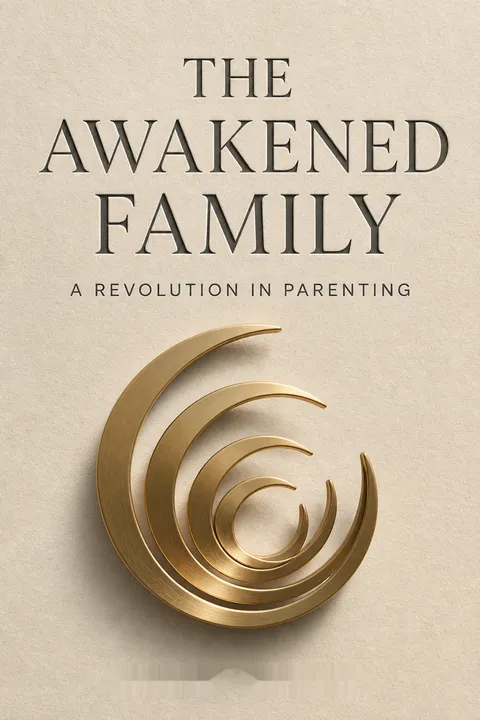

核心要点
1. 育儿的关键在于父母的觉醒,而非修正孩子。
与其试图纠正孩子的“缺点”,父母更应致力于自身的成长,提升成熟度与当下的觉察力。
聚焦内在转变。 有意识育儿的核心在于,关注点应放在父母自身的内在转变,而非单纯改变孩子的行为。传统以孩子为中心的育儿模式已显过时,且常导致家庭功能失调与疏离。当父母提升自我觉察与成熟,全家便能共同繁荣。
孩子是镜子。 孩子如同一面镜子,映照出父母需要成长和成熟的地方。有意识的父母不会将孩子的挑战行为视为孩子的问题,而是把它当作审视自身反应和未解情结的契机。自我反思是打破旧有模式的关键路径。
父母的责任。 父母是唯一能够掌控和影响的人。专注于自身成长与觉察,父母为孩子自然转变、迈向更高意识创造了必要条件。这正是育儿中最有效且持久的成果所在。
2. 孩子是我们最大的觉醒者,映射出未解的过去。
孩子来到我们身边,正是为了触发内在的觉醒。
意外的触发点。 孩子独特地将我们潜意识中的模式和未解的童年经历带到表面。即使是修习正念的父母,也可能被孩子的行为意外触发,暴露出自己未曾察觉的部分。这是深刻的个人成长契机。
痛苦的映照。 孩子常反映出我们自身的不成熟、情结和不安全感。这一过程虽痛苦,却迫使我们面对童年埋藏的伤痛。接纳这些映照,能帮助我们挣脱旧有模式,避免将其传递给下一代。
成长的召唤。 孩子的挑战行为是成长的警钟,提醒父母情感上仍需成熟。回应这份召唤,透过孩子提供的镜子,父母能正视内心的不足,成为更成熟的人,从而释放孩子成为真正的自己。
3. 我们的情绪反应源自自身恐惧,而非孩子的行为。
孩子的行为如风,助燃我们内心的余烬成火焰。
触发源自内心。 本书指出,孩子从未真正“触发”父母,触发点始终存在于父母内心,根植于过去的伤痛与童年挣扎。孩子的行为只是激活了这份内在状态。这一观点根本颠覆了传统将责任归咎于孩子的看法。
恐惧的多重面具。 恐惧是驱动父母情绪反应的普遍根源,表现为愤怒、焦虑、挫败、控制欲和失望等多种形式。这些反应往往是掩盖或逃避恐惧的方式。认清恐惧为根源,父母才能真正解决问题,而非仅治标不治本。
情绪蓝图。 童年经历塑造了情绪蓝图,决定了我们的反应模式。当孩子的行为触及父母过去的敏感区域,情绪蓝图被激活,导致无意识且常常不理性的反应。觉察这些蓝图是有意识育儿的关键。
4. 关于育儿的文化迷思导致功能失调与疏离。
我们被灌输的育儿观念,是否正是我们与孩子间所有问题的根源?
父母的“毒饮料”。 社会流传着多种关于有效育儿的迷思,作者称之为“父母的毒饮料”。这些迷思规定了孩子“应当如何”,父母“应当如何养育”,往往与孩子的真实本性相悖。例子包括:
- 育儿只关乎孩子。
- 成功的孩子必须领先同龄人。
- 孩子分为好孩子和坏孩子。
- 好父母是天生的。
- 好父母就是有爱心的(常与控制混淆)。
- 育儿就是培养快乐的孩子。
- 父母必须掌控一切。
理想与现实的鸿沟。 这些迷思制造了社会理想与孩子个体现实之间的差距,激发父母对孩子达不到标准的恐惧。这种恐惧驱使父母施加压力和期望,导致孩子的疏离和焦虑。摆脱这些迷思,是看见孩子真实自我的前提。
盲从的代价。 出于害怕被排斥或担忧孩子未来而盲目遵循这些文化规范,代价极高:父母和孩子的真实性被牺牲。有意识育儿需要勇气质疑并摒弃这些陈旧做法。
5. 真正的连接需要正念的当下,而非仅靠爱或控制。
当下的觉察力帮助我们与所遇之人,尤其是孩子,建立深刻持久的连接。
超越爱与控制。 爱是连接的纽带,但不足以支撑有效育儿。被恐惧污染的爱变成控制和占有,孩子感受不到真正的爱。真正的连接需要父母的正念当下、情绪调节和对孩子内心世界的共鸣。
进入当下。 大多数功能失调源于父母活在过去或未来(被恐惧和计划驱使),而孩子自然生活在当下。学会进入“如是”的当下,摆脱心中故事和期待,父母才能平静且真实地回应。
静止与倾听的力量。 当下的觉察包括培养内心的静止与宁静,观察思绪而不被其牵引。这使父母能深度倾听孩子,捕捉非言语信号和潜在情感,而非对表面行为反应或用话语填满空间。由此为孩子创造安全空间,表达真实自我。
6. 情绪反应不同于真实感受;学会感受,而非情绪化。
人们常将情绪与感受混为一谈,仿佛二者无异。
情绪与感受的区别。 本书区分情绪(反应性、常外显的对不适或恐惧的回应)与感受(来自内在深处的真实体验)。愤怒、挫败或责备等情绪,往往是逃避真实感受的不适的方式。
处理内在状态。 有意识育儿要求父母处理自身内在状态,而非将其转嫁给孩子。当父母察觉到情绪反应(如发脾气)时,应暂停并自问:“我此刻真正感受到的是什么?”这帮助他们连接潜在感受(如疲惫、担忧),并直接应对。
容忍不适。 学会与焦虑、恐惧或悲伤等不适感共处,而不被其淹没,至关重要。这种“容忍”使感受得以整合,而非引发情绪反应。孩子通过观察父母同样学会处理自身感受。
7. 开明的界限源自父母内心的清晰,而非外在控制。
所有与孩子的纪律问题,根源在于父母自身缺乏纪律。
父母的自律。 孩子纪律问题的根本在于父母对界限缺乏清晰和自律。父母常因内心矛盾(如害怕不被喜欢)而传递混乱信息。
有目的的界限。 界限应基于明确且更高的目标,聚焦于孩子的最佳发展,而非仅为父母的舒适或方便。这些“促进生命的界限”(如卫生、教育、自我与环境尊重)应以清晰、一致和慈悲的态度维持。
坚持界限。 一旦界限被认定为不可妥协(如生命威胁的过敏),父母必须坚定不移地坚持,无论孩子如何反抗或情绪波动。这非惩罚或强迫,而是创造不可破坏的条件,教导孩子重要原则与自我调节。
8. 放下期待,接纳“如是”当下是关键。
对生活,尤其是对孩子抱有期待,注定让我们陷入失败与怨恨。
期待与现实。 期待根植于未来,常与孩子当下的真实状态冲突。它源自父母的计划、恐惧和评判,造成深刻分裂,未达成时引发失望与怨恨。
参与胜于期待。 有意识育儿强调与孩子在当下互动,接纳“如是”现实而非抗拒。这需要开放、好奇与创造力,在过程展开中寻找喜悦,而非执着于结果。
超越结果的自由。 摆脱对孩子行为结果(如成绩、表现)的执着,解放父母与孩子免于完美主义和失败恐惧。关注努力、学习、韧性及参与过程本身,反而激发更强的内在动力与成长。
9. 同理心是无私理解孩子感受,而非带有目的或共谋。
同理心是连接他人感受的能力。
超越同情与修正。 真正的同理心不是怜悯孩子、试图修复其痛苦,或用理解作为让孩子服从的手段。它是真诚地连接并接纳孩子的感受,即使这些感受令父母不适或看似不理性。
无私的回应。 真正的同理心无任何隐藏目的,仅仅是认可并尊重孩子的内在状态。父母常误将缓解自身因孩子感受而产生的不适当作同理,导致信息混乱和进一步疏离。
同理与共谋的区别。 同理是接受感受(“我理解你害怕电梯”),共谋则是回避现实(“我们走楼梯吧”)。有意识的同理帮助孩子在安全空间面对并处理感受,建立韧性,而非助长逃避或强化恐惧。
10. 摆脱僵化角色,迈向“无角色”实现真实连接。
我们对角色及外在价值的执着——“是什么”而非“是谁”——虽有便利,却最终导致评判、僵化与缺乏灵活性。
超越标签与角色。 我们的身份多与角色(父母、孩子、职业等)及外在价值挂钩。角色虽有功能性,但僵化依附限制灵活性,阻碍真实连接。父母执着“妈妈”或“爸爸”角色,难以适应孩子成长所需的不同关系。
精神导师。 随着孩子成熟,父母角色需从照顾者转变为精神导师或盟友,支持孩子作为独特灵性个体的发展。这要求放下被需要的执念,拥抱孩子日益增长的自主性。
拥抱“无角色”。 放下僵化角色,父母得以人与人之间真实连接,欣赏孩子本质超越标签。借助自然元素(地、水、火、风)的平衡能量,父母能体现稳重、宽广、温暖与流动,促进自身与孩子的完整性。
11. 将恐惧转化为觉知,解放父母与孩子。
恐惧可以被转化为觉知。
直面恐惧。 解放之路在于觉察驱动我们反应的恐惧,接纳它而非试图消灭或逃避。恐惧被观察并成为朋友时,便失去力量,能成为促进成长与满足的盟友。
摆脱过去。 基于恐惧的模式常代际传承。通过活在当下,觉察这些模式如何在与孩子的互动中显现,我们能选择有意识地回应,而非自动反应,打破循环,惠及自己与孩子。
真实表达。 从反应性情绪转向真实表达,意味着无责备、无波动、无操控地传达真实感受与需求。这需要勇气与自觉,却开启了真诚连接的大门,让孩子感到安全,勇于表达自我真相。
读者评价
《觉醒的家庭》因其革命性的育儿理念而广受好评,核心在于自我觉察与正念的培养。读者们赞赏书中强调反思自身问题与反应,而非试图控制孩子的观点。许多人认为这本书不仅改变了他们的育儿方式,更在生活的其他方面同样适用。尽管有部分读者指出内容存在重复、新时代语言色彩浓厚以及缺乏科学依据等不足,但总体来看,评论者一致肯定本书挑战传统育儿模式,倡导更加有意识、紧密连接的家庭关系,从而推动家庭成员间的深度理解与共鸣。
其他人还在读









常见问题
What is The Awakened Family by Shefali Tsabary about?
- Revolutionary parenting approach: The book introduces a paradigm shift from controlling children to awakening parental consciousness, focusing on inner transformation rather than changing the child.
- Children as mirrors: Tsabary explains that children reflect parents’ unresolved issues, offering opportunities for mutual growth and healing.
- Integration of philosophies: The author blends Western psychology with Eastern philosophy to foster authentic connection, presence, and emotional autonomy within families.
- Practical guidance: Readers receive actionable tools for mindful presence, enlightened boundaries, and conscious engagement, challenging cultural myths about parenting.
Why should I read The Awakened Family by Shefali Tsabary?
- Break free from myths: The book exposes and dismantles common parenting myths that undermine authentic relationships and create unnecessary pressure.
- Heal intergenerational wounds: Tsabary provides a path to recognize and heal emotional patterns inherited from previous generations, fostering healthier family bonds.
- Empower authentic parenting: Readers learn to cultivate self-awareness and emotional regulation, enabling them to meet their children’s true needs.
- Compassionate, practical advice: The book offers realistic, compassionate strategies for everyday parenting challenges, inspiring transformation through mindfulness and presence.
What are the key takeaways from The Awakened Family by Shefali Tsabary?
- Parenting is self-growth: Conscious parenting centers on the parent’s inner development, not fixing the child, to foster authentic relationships.
- Ego and fear drive reactivity: Recognizing and taming ego-based fears allows parents to respond from their authentic selves, reducing anxiety and control.
- Children’s natural awareness: Children are inherently awake and motivated; parenting should support their self-governance rather than impose societal expectations.
- Mindful presence transforms families: Skills like presence, enlightened boundaries, and empathy are essential for mutual growth and connection.
What are the seven parenting myths discussed in The Awakened Family by Shefali Tsabary?
- Myth 1: Parenting is about the child: Focuses solely on changing the child, neglecting the parent’s inner work.
- Myth 2: Success means being ahead: Obsession with achievement creates anxiety and undermines natural development.
- Myth 3: Good vs. bad children: Labeling children ignores their authentic selves and emotional needs.
- Myth 4: Good parents are naturals: Parenting is a learned skill requiring conscious effort, not innate ability.
- Myth 5: Love is enough: Effective parenting also requires presence, consistency, and emotional regulation.
- Myth 6: Parenting is about happiness: Pursuing happiness as an outcome fosters avoidance of pain and discontent.
- Myth 7: Parents must control: True control is over oneself, not the child; letting go fosters autonomy.
How does Shefali Tsabary define the ego and its role in parenting in The Awakened Family?
- Ego as false self: The ego is an artificial self-image formed from childhood conditioning and others’ opinions, driving reactive and controlling behaviors.
- Ego’s voice triggers reactivity: It manifests as a fearful, demanding inner voice, causing anxiety and irrational responses to children.
- Fear-based reactions: The ego’s actions are rooted in fears of loss, failure, or inadequacy, distorting parental intentions.
- Taming the ego: Conscious parenting involves recognizing the ego’s influence and choosing to respond from the authentic self.
What role does fear play in parental reactivity according to The Awakened Family by Shefali Tsabary?
- Root of negative emotions: Fear underlies most parental anxiety, anger, guilt, and shame, leading to defensive reactions.
- Triggers old wounds: Parental fears often stem from unresolved childhood pain and inherited emotional blueprints.
- Manifests in many forms: Fears of losing control, failure, or rejection distort perceptions and drive controlling behaviors.
- Transforming fear: The book teaches parents to become aware of their fears, hold them mindfully, and integrate them for empowered parenting.
How does The Awakened Family by Shefali Tsabary suggest parents should view and respond to their children’s behavior?
- Behavior as a mirror: Children’s actions reflect parents’ unresolved issues, prompting self-reflection rather than blame.
- Empathy over judgment: Shifting from labeling to empathizing with children’s feelings fosters connection and authentic expression.
- Enlightened boundaries: Setting clear, loving boundaries helps children develop autonomy and emotional regulation.
- Supporting authenticity: Parents are encouraged to honor their child’s unique temperament and spirit, empowering true self-expression.
What practical parenting skills does Shefali Tsabary offer in The Awakened Family?
- Mindful engagement: Replace rigid expectations with present-focused engagement, reducing conflict and fostering connection.
- Presence over reaction: Cultivate mindful presence to observe and regulate emotional responses, enabling thoughtful action.
- Enlightened boundaries: Redefine discipline as compassionate, clear limits that empower rather than control.
- Empathy and autonomy: Develop empathy for children’s experiences and encourage emotional autonomy within safe boundaries.
What does Shefali Tsabary mean by shifting “From Expectations to Engagement” in The Awakened Family?
- Expectations create division: Future-oriented expectations often clash with children’s present reality, leading to disappointment and control struggles.
- Engagement fosters freedom: Being present with children as they are supports their unique expression and values the process of growth.
- Letting go of outcomes: Detaching from specific results allows for more harmonious and joyful family experiences.
- Illustrative examples: Stories in the book show how releasing expectations leads to better parent-child relationships.
How does The Awakened Family by Shefali Tsabary address discipline, boundaries, and conflict?
- Discipline as boundaries: The book reframes discipline as creating enlightened, compassionate boundaries rather than punishment.
- Self-discipline for parents: Emphasizes parental self-regulation over controlling the child’s behavior.
- Natural consequences: Encourages allowing natural and logical consequences to teach responsibility and respect.
- Collaborative negotiation: Promotes win-win negotiations where children’s voices are respected, fostering autonomy and partnership.
What is the “Dance of Nonduality” in The Awakened Family by Shefali Tsabary and how does it apply to parenting?
- Nondual thinking: Nonduality means moving beyond black-and-white judgments to embrace the complexity of reality.
- Behavior as multifaceted: Children’s actions are seen as opportunities for growth, not simply “good” or “bad.”
- Reduces fear of failure: Recognizing both positive and challenging aspects encourages risk-taking and resilience.
- Fosters acceptance: This approach supports a safe, understanding environment for children’s development.
What are the key daily practices and reminders for conscious parenting in The Awakened Family by Shefali Tsabary?
- Daily mindfulness: The book offers 30 reminders to cultivate presence, honor the child’s essence, and reduce judgment.
- Emotional attunement: Practices include expressing feelings safely, accepting imperfections, and deep listening to process emotions healthily.
- Empowerment and balance: Reminders focus on teaching awareness, creating sacred boundaries, and balancing individual and family needs.
- Growth through conflict: Embracing conflict as an opportunity for growth supports a harmonious, conscious family life.
下载 PDF
下载 EPUB
.epub digital book format is ideal for reading ebooks on phones, tablets, and e-readers.








































