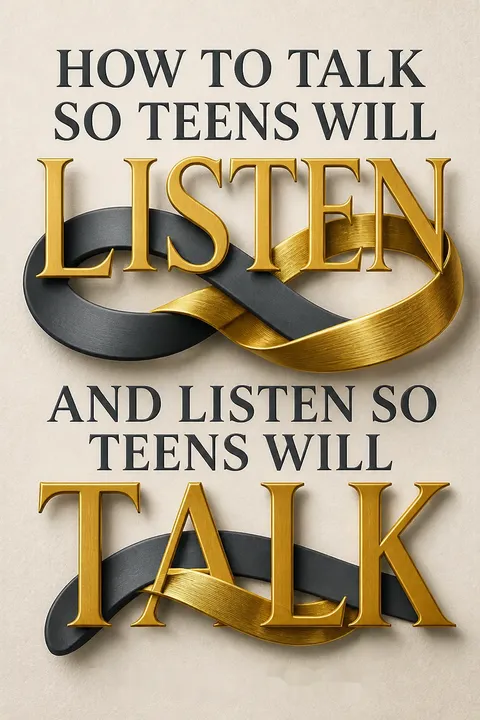

أهم النقاط
1. التواصل الفعّال يرتكز على الاعتراف بالمشاعر
إن استماعنا هو ما يمنح أكبر قدر من الراحة. وقبولنا لمشاعر أطفالنا الحزينة يجعل من السهل عليهم التعامل معها.
استمع بتركيز. عندما يعبر المراهقون عن مشاعرهم، قاوم الرغبة في التقليل من شأنها أو تجاهلها أو حل مشاكلهم فورًا. بدلاً من ذلك، اعترف بمشاعرهم بتعاطف وفهم. هذا يخلق لهم مساحة آمنة ليبوحوا بمكنوناتهم ويعالجوا مشاعرهم.
استخدم لغة عاكسة. رد بعبارات تعكس مشاعرهم، مثل "لا بد أن هذا محبط" أو "أفهم لماذا تشعر هكذا". هذا الاعتراف يجعل المراهقين يشعرون بأنهم مسموعون ومحترمون، مما يعزز العلاقة والتواصل بينكم.
تجنب الحكم. امتنع عن النقد أو الوعظ. ركز بدلاً من ذلك على فهم وجهة نظرهم، حتى وإن اختلفت معها. هذا الأسلوب يشجع المراهقين على الاستمرار في مشاركة أفكارهم ومشاعرهم معك.
2. تحفيز التعاون من خلال لغة واحترام الخيارات
إن موقفنا المحترم ولغتنا المهذبة هما ما يمكّن مراهقينا من سماعنا والتعاون معنا.
وصف المشكلة. بدلاً من إصدار الأوامر أو الاتهامات، فسّر الوضع بموضوعية. مثلاً، قل "أرى أطباقًا متسخة في الحوض" بدلاً من "أنت لا تنظف بعد نفسك أبدًا!"
قدّم خيارات. امنحهم خيارات تلبي احتياجاتك واحتياجاتهم معًا. هذا يمنح المراهقين فرصة لاتخاذ القرار وتحمل المسؤولية. مثلاً، "هل تفضل غسل الأطباق الآن أم بعد العشاء؟"
استخدم عبارات "أنا". عبّر عن مشاعرك واحتياجاتك دون لوم. قل "أشعر بالإحباط عندما يكون الصالون غير مرتب" بدلاً من "أنت كسول وغير منظم."
- قدّم المعلومات بدلًا من الأوامر
- استخدم كلمة واحدة ("الأطباق!") بدلاً من محاضرة طويلة
- اكتب ملاحظة بدلًا من الإلحاح المستمر
3. حل المشكلات كبديل للعقاب
هدفنا من اتخاذ الإجراءات ليس فقط وقف السلوك غير المقبول، بل منح أطفالنا فرصة للتعلم من أخطائهم وتصحيحها.
ركّز على الحلول. بدلاً من فرض العقوبات، تعاون مع مراهقك لإيجاد طرق لتصحيح الوضع ومنع تكراره. هذا الأسلوب يعلّم المسؤولية ومهارات حل المشكلات.
عبّر عن المشاعر والتوقعات. وضّح كيف أثرت أفعالهم عليك وما تتوقعه في المستقبل. مثلاً، "شعرت بالقلق عندما تأخرت عن موعد العودة. أتوقع منك الاتصال إذا كنت ستتأخر."
اسمح بالعواقب الطبيعية. عندما يكون ذلك مناسبًا، دع المراهقين يواجهون نتائج اختياراتهم الطبيعية. هذا قد يكون أكثر فاعلية من العقوبات التعسفية في تعليم السبب والنتيجة.
- عبّر عن مشاعرك
- وضّح توقعاتك
- بيّن كيفية تصحيح الخطأ
- قدّم خيارًا
- اتخذ إجراءً (كملاذ أخير)
4. العمل معًا لإيجاد حلول توافقية
عندما يتعاون الآباء والمراهقون لحل المشكلة معًا، تزداد فرص إيجاد حلول تناسب الجميع.
ادعُ إلى تبادل وجهات النظر. ابدأ بطلب رأي مراهقك في الموقف. استمع دون مقاطعة أو حكم، وأظهر تقديرك لمشاركته.
شارك مخاوفك. بعد الاعتراف بوجهة نظره، عبّر عن أفكارك وقلقك بهدوء ووضوح.
فكّروا معًا. شجّع الإبداع من خلال سرد كل الحلول الممكنة، مهما بدت غير واقعية في البداية. هذا النهج التعاوني يعزز روح الفريق والاحترام المتبادل.
- دون كل الأفكار دون تقييم
- راجع القائمة معًا
- اختر الحلول التي تتفقون عليها
- نفّذ وتابع الخطة المتفق عليها
5. المديح الوصفي لتعزيز الثقة بالنفس والدافعية
الكلمات التي تصف غالبًا ما تقود الناس إلى تقدير أكبر لنقاط قوتهم.
كن محددًا. بدلاً من المديح العام مثل "أنت ذكي جدًا"، صف الجهد أو الفعل الذي لاحظته. مثلاً، "لاحظت أنك درست ساعة إضافية قبل الامتحان. هذا الالتزام يؤتي ثماره."
ركّز على العملية. أبرز الخطوات التي اتخذوها لتحقيق النتيجة، لا فقط النتيجة نفسها. هذا يشجع على تبني عقلية النمو والمرونة في مواجهة التحديات.
تجنب المقارنات. امدح تقدم وجهد مراهقك الفردي دون مقارنته بالأشقاء أو الأقران. هذا يعزز الدافعية الذاتية بدلًا من التنافس.
- وصف ما تراه: "أرى أنك رتبت مكتبك قبل بدء الواجب."
- عبّر عن مشاعرك: "أنا معجب بكيفية تعاملك مع الموقف الصعب مع صديقك."
- تجنب المديح التقييمي: "أنت الأفضل!" أو "أنت موهوب جدًا!"
6. تناول موضوع الجنس والعلاقات بحوار مفتوح وصادق
بدلًا من الحديث الكبير الواحد، ابحث عن فرص لإجراء "حوارات صغيرة".
أنشئ محادثات مستمرة. استخدم المواقف اليومية، الإعلام، أو الأخبار كنقطة انطلاق للنقاش حول الجنس، العلاقات، والقيم. هذا الأسلوب يبدو أكثر طبيعية وأقل تخويفًا من حديث رسمي واحد.
قدّم معلومات دقيقة. تأكد من حصول مراهقك على معلومات صحيحة ومناسبة لعمره حول الصحة الجنسية، وسائل منع الحمل، والأمراض المنقولة جنسيًا. كن مستعدًا للإجابة على الأسئلة بصدق أو للبحث معًا عن مصادر موثوقة.
شارك قيمك. مع احترام استقلالية مراهقك المتنامية، عبّر عن قيم عائلتك بشأن العلاقات والسلوك الجنسي. فسّر الأسباب وراء معتقداتك وتوقعاتك.
- ناقش موضوع الموافقة والعلاقات الصحية
- تناول الجوانب العاطفية للجنس والعلاقات
- كن مستعدًا للحديث عن قضايا وهوية LGBTQ+
7. مواجهة تعاطي المخدرات من خلال حوارات مستمرة ومستنيرة
أطفالك يهتمون كثيرًا برأيك. قد لا يظهرون ذلك دائمًا، لكن قيمك ومعتقداتك مهمة جدًا لهم وقد تكون العامل الحاسم في قرارهم بتعاطي أو تجنب المخدرات والكحول.
ابقَ مطلعًا. تابع أحدث الاتجاهات، التأثيرات، والمخاطر المتعلقة بالمخدرات. شارك هذه المعلومات مع مراهقك بطريقة موضوعية وغير حكمية.
حدد توقعات واضحة. بيّن قواعد عائلتك وعواقب تعاطي المخدرات والكحول. فسّر الأسباب وراء هذه القواعد، مع التركيز على الصحة والسلامة.
شجّع الحوار المفتوح. اخلق بيئة يشعر فيها مراهقك بالراحة لطرح الأسئلة أو التعبير عن مخاوفه بشأن المخدرات دون خوف من العقاب. هذا الانفتاح قد يكون حاسمًا في الوقاية أو معالجة مشاكل التعاطي.
- استغل الفرص اليومية للحديث عن المخدرات والكحول
- شارك تجارب شخصية أو تجارب أفراد العائلة إذا كان ذلك مناسبًا
- طوروا معًا استراتيجيات لمقاومة ضغط الأقران
- تعرّف على علامات تعاطي المخدرات وكيفية الحصول على المساعدة عند الحاجة
ملخص المراجعات
يحظى كتاب "كيف تتحدث ليصغي إليك المراهقون وتستمع ليحدثوك" بتقييمات إيجابية بشكل عام، نظرًا لنصائحه العملية في مجال التواصل، رغم أن بعض القراء يرونه قديم الطراز أو مبتذلًا. يثمن القراء الأمثلة الواضحة والرسوم الكاريكاتورية والتركيز على الاستماع باحترام. وجد كثيرون في الكتاب عونًا لتحسين العلاقات بين الآباء والمراهقين، رغم أن البعض شعر بأنه يشبه إلى حد كبير كتب المؤلفين السابقة. أشار النقاد إلى أن بعض السيناريوهات كانت متفائلة بشكل مفرط ولم تتناول التحديات الحديثة. وبوجه عام، وجد المراجعون قيمة في تقنيات الكتاب التي تعزز الحوار المفتوح والتفاهم المتبادل بين البالغين والمراهقين.
قرأ الآخرون أيضًا








الأسئلة الشائعة
What's "How to Talk So Teens Will Listen and Listen So Teens Will Talk" about?
- Communication with Teens: The book focuses on improving communication between parents and their teenage children, addressing the unique challenges that arise during adolescence.
- Practical Techniques: It provides practical techniques and strategies for parents to engage in meaningful conversations with their teens, fostering mutual respect and understanding.
- Real-Life Scenarios: The authors use real-life scenarios and examples to illustrate common communication pitfalls and how to avoid them.
- Empowerment and Independence: The book emphasizes helping teens become independent while maintaining a supportive relationship with their parents.
Why should I read "How to Talk So Teens Will Listen and Listen So Teens Will Talk"?
- Improved Relationships: Reading the book can help improve your relationship with your teenager by teaching you how to communicate more effectively.
- Conflict Resolution: It offers strategies for resolving conflicts and addressing issues like discipline, independence, and peer pressure.
- Understanding Teenagers: The book provides insights into the teenage mindset, helping parents understand their children's behavior and emotions better.
- Practical Advice: It offers actionable advice that can be applied immediately to everyday interactions with teens.
What are the key takeaways of "How to Talk So Teens Will Listen and Listen So Teens Will Talk"?
- Acknowledge Feelings: Recognizing and validating your teen's feelings is crucial for effective communication.
- Avoid Punishment: The book suggests alternatives to punishment that encourage responsibility and self-correction.
- Problem-Solving Together: It emphasizes the importance of working together with your teen to solve problems and make decisions.
- Respectful Communication: Using respectful language and listening actively can significantly improve parent-teen relationships.
How does "How to Talk So Teens Will Listen and Listen So Teens Will Talk" suggest dealing with feelings?
- Acknowledge Emotions: The book advises acknowledging and validating your teen's emotions rather than dismissing them.
- Empathize and Listen: It encourages parents to empathize with their teen's feelings and listen without judgment.
- Express Your Own Feelings: Parents should express their own feelings in a way that is non-confrontational and constructive.
- Use Minimal Responses: Sometimes, a simple nod or an "uh-huh" can show that you are listening and understanding.
What are the alternatives to punishment suggested in "How to Talk So Teens Will Listen and Listen So Teens Will Talk"?
- State Your Feelings: Clearly express how your teen's behavior affects you without resorting to blame.
- State Expectations: Let your teen know what you expect from them in a respectful manner.
- Show How to Make Amends: Guide your teen on how they can rectify their mistakes and make amends.
- Offer Choices: Provide your teen with choices that allow them to take responsibility for their actions.
How does "How to Talk So Teens Will Listen and Listen So Teens Will Talk" recommend engaging cooperation?
- Describe the Problem: Instead of giving orders, describe the problem and invite your teen to be part of the solution.
- Give Information: Provide information that helps your teen understand the consequences of their actions.
- Offer Choices: Present options that meet both your needs and your teen's, encouraging them to make responsible decisions.
- Use Humor: Sometimes, using humor can defuse tension and encourage cooperation in a playful way.
What is the problem-solving method in "How to Talk So Teens Will Listen and Listen So Teens Will Talk"?
- Invite Their Viewpoint: Start by inviting your teen to share their perspective on the issue.
- State Your Viewpoint: Clearly express your own concerns and feelings about the problem.
- Brainstorm Together: Work together to brainstorm possible solutions without evaluating them immediately.
- Review and Decide: Review the list of ideas and decide together which solutions to implement.
How does "How to Talk So Teens Will Listen and Listen So Teens Will Talk" address the topic of sex and drugs?
- Small Talks: The book suggests having multiple small conversations rather than one big talk about sex and drugs.
- Use Opportunities: Use everyday situations, like watching TV or reading a magazine, to start discussions about these topics.
- Provide Information: Give your teen factual information about the risks and consequences of sex and drug use.
- Share Values: Clearly communicate your values and expectations regarding these issues.
What advice does "How to Talk So Teens Will Listen and Listen So Teens Will Talk" give for expressing irritation?
- Avoid Accusations: Instead of accusing or blaming, express your feelings and what you would like to see change.
- Be Specific: Clearly describe the behavior that bothers you and how it affects you.
- Stay Calm: Keep your tone calm and neutral to prevent escalating the situation.
- Focus on Solutions: Encourage a focus on finding solutions rather than dwelling on the problem.
How does "How to Talk So Teens Will Listen and Listen So Teens Will Talk" suggest praising teenagers?
- Avoid Evaluations: Instead of evaluating with phrases like "You're the best," describe what you see or feel.
- Be Specific: Provide specific feedback about what your teen did well or the effort they put in.
- Encourage Self-Reflection: Help your teen reflect on their achievements and recognize their own strengths.
- Build Confidence: Use descriptive praise to build your teen's confidence and self-esteem.
What are the best quotes from "How to Talk So Teens Will Listen and Listen So Teens Will Talk" and what do they mean?
- "Feelings matter. Not just your own, but those of people with whom you disagree." This emphasizes the importance of acknowledging and respecting the feelings of others, even in conflict.
- "Punishment has no place in a caring relationship." The authors advocate for alternatives to punishment that foster responsibility and self-correction.
- "Our differences needn’t defeat us." This highlights the potential for resolving conflicts through respectful listening and creative problem-solving.
- "We all need to feel valued." The book stresses the importance of making teenagers feel valued for who they are and who they can become.
How can "How to Talk So Teens Will Listen and Listen So Teens Will Talk" help improve my relationship with my teenager?
- Enhance Communication: The book provides tools to improve communication, making it easier to connect with your teen.
- Resolve Conflicts: It offers strategies for resolving conflicts in a way that strengthens your relationship.
- Build Trust: By using respectful language and listening actively, you can build trust and mutual respect.
- Foster Independence: The book helps you support your teen's growing independence while maintaining a supportive relationship.
عن المؤلف

تحميل PDF
تحميل EPUB
.epub digital book format is ideal for reading ebooks on phones, tablets, and e-readers.








































