
Key Takeaways
1. Cooking is chemical engineering, not an arcane spiritual art
By treating our culinary tradition as something sacred, artistic and borderline spiritual, we are doing it a grave disservice.
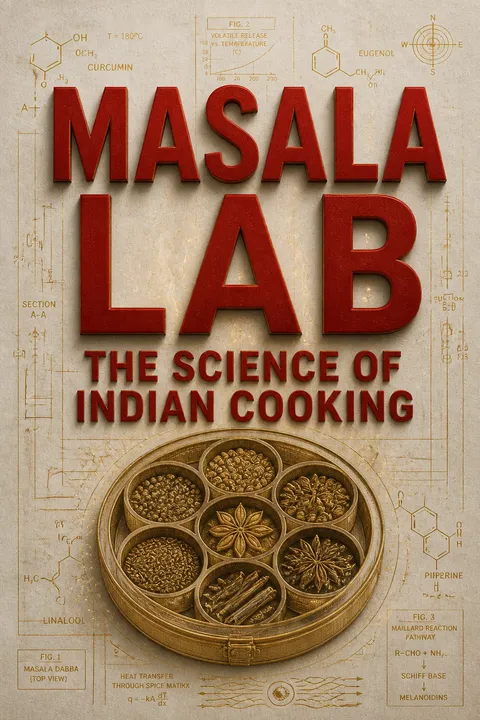
Demystifying the kitchen. Indian cooking is often romanticized as an intuitive, spiritual art passed down through generations via kai manam (hand flavor). However, at its core, cooking is simply chemical engineering performed in a home laboratory. Understanding the underlying physics and chemistry liberates you from the tyranny of rigid recipes and allows you to experiment with confidence.
The authenticity myth. Swearing by "authentic" recipes is a historical fallacy because Indian cuisine has always been a dynamic, evolving system. Key ingredients like tomatoes, potatoes, and chillies were actually introduced by Portuguese traders from the New World.
- Sambar was made without carrots for centuries before logistics improved.
- True culinary mastery comes from understanding how molecules interact, not from replicating static historical snapshots.
An engineering mindset. Viewing the kitchen as a laboratory allows you to optimize processes, save time, and achieve consistent results. Instead of relying on vague, poetic instructions, we can standardize techniques using precise measurements and scientific principles. This approach transforms cooking from a stressful chore into a predictable, creative craft.
2. Master the thermodynamics of heat and the magic of water
Water is indispensable to cooking for a simple reason.
Heat transfer mechanisms. Cooking is fundamentally the transfer of energy to transform the physical and chemical structures of carbohydrates, proteins, and fats. Different materials and mediums transfer this energy at vastly different rates. For instance, metals are dense and conduct heat rapidly, whereas air is a poor conductor, which is why baking takes much longer than pan-searing.
The water buffer. Water is a magical molecule with a high specific heat capacity, meaning it takes a lot of energy to heat up. It acts as a temperature regulator in the kitchen, capping moist cooking methods at 100°C (its boiling point at sea level).
- Adding a splash of water prevents food from burning on hot metal surfaces.
- Moist cooking methods like steaming and simmering keep temperatures gentle, preventing structural collapse.
Starch and protein. Applying heat to food triggers crucial chemical reactions like starch gelatinization and protein denaturation. Starches in rice and lentils absorb water and expand between 55°C and 85°C, while animal proteins unfold and firm up around 60°C. Understanding these temperature thresholds prevents you from turning your proteins into rubber and your grains into mush.
3. Ditch the "whistle" count and understand true pressure cooking
At this point, you must rip your Internet connection cable and dump your computer into the nearest dustbin, because everything you thought you knew about pressure cooking is wrong, and literally every recipe online is indulging in wholesale misinformation.
The pressure fallacy. Measuring pressure-cooking time by the number of "whistles" is a highly unreliable method that leads to inconsistent results. Whistles are merely a function of heat intensity and the weight of the cooker's whistle, which varies wildly across modern gas, electric, and induction stoves. The scientific way to pressure-cook is to measure the actual elapsed time at maximum pressure.
Boiling point elevation. A pressure cooker works by trapping steam, which artificially increases the air pressure inside the sealed vessel. This elevated pressure raises the boiling point of water from 100°C to approximately 121°C.
- Cooking at 121°C cuts cooking times by 30 to 40 percent.
- The clock should only start ticking once the cooker reaches peak pressure and releases its first hiss of steam.
Ingredient-specific timing. Different ingredients require precise times at peak pressure to achieve optimal texture. For example, white rice needs only 5 minutes, while tough chickpeas require up to 20 minutes.
- White rice: 5 minutes at peak pressure.
- Toor dal: 8 to 10 minutes at peak pressure.
- Potatoes (cubed): 3 to 5 minutes at peak pressure.
4. Flavor is a multisensory illusion dominated by smell and mouthfeel
Since saliva is mostly water, your tongue can only detect tastes coming from water-soluble flavour molecules.
Taste versus aroma. While our tongues can only detect five basic tastes—sweet, salty, sour, bitter, and umami—our noses can distinguish over 10,000 unique aromas. True flavor is a complex brain-constructed illusion combining taste, smell, mouthfeel, and even sound. In fact, up to 80 percent of what we perceive as flavor actually happens in our nasal passages through retronasal olfaction as we chew.
The role of fat. Most flavor molecules in spices are hydrophobic, meaning they do not dissolve in water but are highly soluble in fat. This is why Indian cooking almost always begins by blooming spices in hot oil or ghee.
- Fat acts as a carrier, trapping volatile aroma molecules and releasing them slowly in the mouth.
- Spices boiled in plain water lose their aromatic punch to the steam.
Texture and sound. Mouthfeel and sound are critical, yet underrated, components of the dining experience. The crunch of a crisp papad or the airy softness of a fermented idli are tactile sensations that our brains associate with freshness and quality. Altering the physical texture of a dish can completely change how its flavor is perceived, even if the chemical composition remains identical.
5. The Maillard reaction is the golden key to deep, savory flavor
Arguably the most famous reaction in cooking, it causes browning of food and a host of delicious, aromatic by-products.
The chemistry of browning. The Maillard reaction is a complex chemical process that occurs when amino acids in proteins and reducing sugars in carbohydrates are heated above 110°C. This reaction produces hundreds of new flavor compounds, yielding nutty, toasty, and meaty aromas. It is the scientific difference between a bland, boiled onion and a deeply savory, caramelized one.
Onion and garlic dynamics. Onions and garlic are the foundational aromatics of Indian gravies, and how you cook them dictates the entire flavor profile. Sautéing onions to a golden brown unlocks savory compounds like MMP, which mimic the rich taste of grilled meat.
- Slicing onions across the bulb breaks more cells, releasing more flavor-producing enzymes.
- Garlic has less water than onions and burns easily, so it should always be added after onions have released their moisture.
Accelerating the reaction. Because the Maillard reaction requires a dry environment and temperatures above 110°C, it cannot occur in the presence of excess water. You can use a tiny pinch of baking soda to speed up the browning of onions.
- Baking soda raises the pH, creating an alkaline environment that accelerates Maillard browning.
- It also breaks down pectin in cell walls, turning onions jammy in a fraction of the time.
6. Acids are the mixing engineers that balance and brighten dishes
An instinctively good cook understands that while salt and sweet enhance the flavours of your dish, sourness adds an entirely different dimension.
The role of sourness. Acids are the unsung heroes of the kitchen, acting like a musical mixing engineer to balance, brighten, and separate individual flavors. Adding an acid—whether yoghurt, tamarind, lime juice, or vinegar—lowers the pH of a dish, which stimulates salivation and makes other spices pop. Without a touch of sourness, heavy, spice-laden dishes can taste flat and muddy.
Acid layering. Just as we layer spices, great cooks layer different types of acids to create a complex, multi-dimensional flavor profile. For example, a street-food chaat uses tamarind for a deep, cooked base note, and fresh lime juice for a bright, citrusy top note.
- Tamarind (tartaric acid) is robust and can survive long cooking times.
- Citrus juices (citric acid) are volatile and should only be squeezed in at the very end of cooking.
The marination myth. Contrary to popular belief, acidic marinades do not tenderize meat deeply; they actually tighten surface proteins, creating a barrier. However, this surface denaturation helps spices and fats stick to the exterior of the meat.
- For true tenderness, brine your meat in a salt solution before marinating.
- Limit marination times to under two hours to prevent the acid from "cooking" and toughening the meat's surface.
7. Embrace the kitchen magic of MSG, baking soda, and alcohol
MSG and sodium bicarbonate have a wide range of uses in the kitchen, if you are willing to consider the fact that there is zero scientific evidence of them being harmful, provided they are used in small amounts.
The truth about MSG. Monosodium glutamate (MSG) is simply the sodium salt of glutamic acid, an amino acid abundant in natural foods like tomatoes, cheese, and breast milk. It triggers our umami receptors, delivering a savory, lingering sensation that enhances other flavors. Decades of scientific research have debunked "Chinese Restaurant Syndrome," proving that MSG is perfectly safe when consumed in moderation.
Baking soda's versatility. Sodium bicarbonate is a versatile chemical tool that goes far beyond baking. It acts as a chemical wrecking ball on pectin, the tough structural glue in plant cell walls.
- A pinch of soda in the pressure cooker cuts the cooking time of hard chickpeas in half.
- Adding it to boiling potatoes creates rough, starchy edges that turn incredibly crispy when roasted.
Cooking with alcohol. While uncommon in traditional Indian homes, using alcohol is a highly effective way to extract flavor. Many aromatic compounds in spices are soluble only in alcohol, not in water or fat.
- A splash of vodka or brandy deglazes the pan, releasing caramelized bits stuck to the bottom.
- Using vodka in a frying batter limits gluten development, resulting in exceptionally light and crispy pakoras.
8. Modernist ingredients and gadgets are productivity game-changers
What the Instant Pot, or to use the more general term, an electronic pressure cooker, does is that it turns pressure-cooking into a fill-it-shut-it-and-forget-it experience, which significantly reduces the anxiety that inexperienced cooks tend to have when it comes to pressure-cooking—the subliminal fear that you have a potential bomb on your stove.
Smart kitchen gadgets. Modern kitchen appliances like electronic pressure cookers and microwave ovens are highly efficient tools that save time and improve consistency. A microwave is not just for reheating; its electromagnetic waves heat water molecules directly, making it perfect for steaming vegetables, melting butter, or even cooking a single portion of fluffy pulao in minutes.
Modernist food science. Utilizing food-industry ingredients like sodium citrate, xanthan gum, and soy lecithin can solve common home-cooking frustrations. These ingredients are safe, plant- or mineral-derived compounds that improve texture and stability.
- Sodium citrate acts as an emulsifier, allowing you to melt any cheese into a perfectly smooth, creamy dip.
- Xanthan gum adds elasticity to gluten-free flours, making it easy to roll out perfect millet rotis.
Precision cooking. Techniques like sous vide cooking use precise water baths to cook food to an exact target temperature. This is the ultimate way to cook notoriously dry cuts like chicken breast, ensuring they remain incredibly juicy and tender.
- Food is sealed in bags and cooked at a constant, low temperature (e.g., 65°C for chicken).
- This eliminates the risk of overcooking, as the food can never exceed the temperature of the water bath.
9. Burn the recipe and cook using modular, regional algorithms
What we are attempting to do is not a grand unified theory of Indian cooking; even Einstein failed to do that for physics.
The algorithmic approach. Learning to cook by memorizing individual recipes is highly inefficient. Instead, you should view Indian cooking through modular, repeatable algorithms. By breaking down dishes into structural components—such as base gravies, spice mixes, and tempering templates—you can recreate any regional style using whatever ingredients are in your fridge.
The base gravy system. Professional restaurant kitchens achieve speed and consistency by preparing large batches of base gravies ahead of time. You can easily replicate this system at home by freezing portioned blocks of versatile base sauces.
- Makhani base: A rich, mild tomato-onion sauce for creamy North Indian dishes.
- Malabar base: A coconut-shallot-curry leaf sauce for coastal South Indian flavors.
- Mughlai base: A luxurious cashew-onion-garlic paste for rich, aromatic curries.
The ultimate synthesis. The biryani is the perfect demonstration of this modular, algorithmic approach. It is not a single chaotic pot of food, but a highly structured project involving separate, parallel tracks: the rice track, the protein track, the onion track, and the dum track. By mastering the science of each individual track, you can consistently assemble a flawless, restaurant-quality biryani.
People Also Read










Download PDF
Download EPUB
.epub digital book format is ideal for reading ebooks on phones, tablets, and e-readers.








































