
Key Takeaways
1. Pastoral Counseling: A Unique Form of Soul Care
Pastoral counseling can be both distinctively pastoral and psychologically informed.
Bridging disciplines. Modern pastoral counseling emerged in the 20th century, navigating the tension between traditional Christian soul care and contemporary psychological methods. The most effective approach integrates insights from therapeutic psychology while firmly rooting itself in the rich history and unique resources of Christian ministry. This ensures that counseling remains true to its spiritual identity without ignoring valuable psychological understanding.
Beyond therapy. Unlike secular psychotherapy, pastoral counseling is offered by a representative of the Christian church, carrying social and symbolic roles that shape expectations. People often seek out pastors first for personal problems, expecting them to bring Christian meaning and resources to bear on their struggles. This unique context, often within a faith community, fosters trust and allows for early intervention, distinguishing it from other helping professions.
Proclamation in action. Pastoral counseling is a vital form of "proclamation" – not just preaching, but making God's Word real and personal in an individual's specific life experiences. It involves relating biblical truths to immediate needs and embodying loving service, offering a unique opportunity for direct, personal contact with God's transformative presence. This makes it a central and important role in the long tradition of Christian soul care.
2. Embrace Brief, Time-Limited Counseling
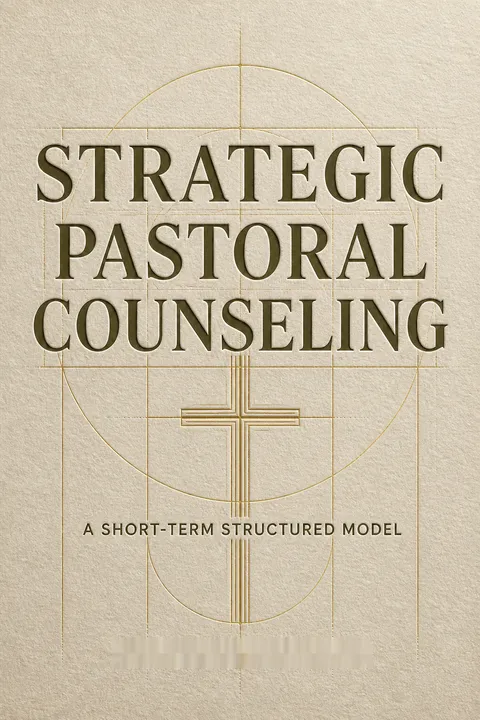
Strategic pastoral counseling is a model of counseling that has been specifically designed in response to this request for practical help for pastors who counsel.
Practical necessity. Most pastors spend significant time counseling, yet often feel unprepared for long-term therapy. Strategic Pastoral Counseling addresses this by offering a brief, time-limited model, typically a maximum of five sessions. This structure aligns with the reality of pastoral life, where diverse responsibilities limit the time available for extensive, open-ended counseling.
Efficiency and focus. Brief counseling is not superficial; research shows it can be as effective as long-term approaches for many issues. By setting clear time limits from the outset, both pastor and parishioner are encouraged to maintain focus and work actively towards specific goals. This prevents aimless drifting and fosters a sense of urgency and partnership in the therapeutic process.
Minimizing complications. The pastor's multifaceted role in the community can create complications in long-term counseling relationships, such as role conflicts when encountering parishioners outside sessions. Short-term counseling minimizes these issues, allowing pastors to provide focused help while maintaining healthy boundaries across their various ministry responsibilities. It also discourages dependency, empowering individuals to continue their growth independently or seek specialized long-term care if needed.
3. Holistic Care for the Whole Person
“Soul,” therefore, refers to the whole person, including the body, but with particular focus on the inner world of thinking, feeling, and willing.
Integrated well-being. Christian soul care, rooted in the Latin cura animarum (care and cure of souls), views the person as a living, vital whole, not a collection of separate parts. This holistic perspective acknowledges that spiritual, psychological, and physical aspects are intimately interconnected. Genuine soul care supports and restores the well-being of the entire person, with a particular concern for the inner life of thoughts, feelings, and will.
Beyond symptoms. Strategic pastoral counseling resists the temptation to focus solely on one aspect of human functioning, such as behavior or thoughts, as many secular models do. Instead, it aims to be fully and equally responsive to the behavioral, cognitive, and affective elements of a person's experience. This comprehensive approach ensures that all crucial dynamics of psychospiritual functioning are considered, leading to more effective assessment and intervention.
Spiritual formation. The overarching goal of Christian soul care is spiritual formation – the shaping of Christ's character within individuals. This involves healing impairments, sustaining through difficult circumstances, reconciling broken relationships, and guiding wise choices. By addressing the whole person in their depth and totality, pastoral counseling contributes to this ultimate goal, recognizing that spiritual growth is foundational to all human wholeness.
4. The Strategic Model: Structured and Spiritually Focused
The term strategic emphasizes the fact that this approach to counseling is highly focused and time-limited.
Purposeful design. Strategic pastoral counseling is a brief, structured, and explicitly Christian approach that integrates contemporary counseling theory with pastoral ministry resources. Its "strategic" nature means it's highly focused, providing clear goals and strategies for each session, typically within a five-session maximum. This structure ensures efficiency and effectiveness, making it a practical tool for pastors.
Integrated framework. The model's structure is designed to address the interconnected feelings, thoughts, and behaviors associated with a person's struggles. It provides a framework for conducting a holistic assessment, understanding major needs, and delivering targeted interventions. This disciplined approach, while structured, remains flexible enough to accommodate individual counseling styles and the unique needs of each parishioner.
Homework for growth. A key component of the strategic model is assigned work between sessions, which maintains momentum and provides real-life experiences for discussion. This "homework" can include:
- Bibliotherapy (reading Scripture, devotional, or problem-specific books)
- Journaling for prayerful reflection
- Behavioral rehearsal for practicing new skills
- Sharing insights with trusted individuals
This active engagement outside the session accelerates progress and deepens the impact of the counseling.
5. The Encounter Stage: Building Trust and Defining Focus
The first tasks in this initial stage of strategic pastoral counseling are joining and boundary setting.
Personal connection. The encounter stage is the initial meeting, focused on establishing a genuine personal connection. It begins with "joining," putting the parishioner at ease through brief, casual conversation, and demonstrating empathy, respect, and authenticity. These qualities are not mere techniques but foundational ways of relating that reflect God's acceptance and create a safe space for dialogue.
Clear expectations. Simultaneously, "boundary setting" involves clearly communicating the purpose and time frame of the session and the overall counseling relationship (e.g., the five-session limit). This transparency manages expectations, encourages active participation, and ensures the counseling remains focused and efficient. It also helps the parishioner understand the unique nature of the pastoral counseling relationship.
Identifying the core. The primary task is to explore the parishioner's central concerns and relevant history, allowing them to tell their story in their own words. The pastor listens empathically, gently probing to understand the immediate manifestation of the problem and its broader context, including family, work, and living situations. This initial exploration aims to identify one central, specific problem that will serve as the primary focus for the counseling, agreed upon by both pastor and parishioner.
6. The Engagement Stage: Exploring Feelings, Thoughts, and Behaviors
The second stage of strategic pastoral counseling involves the engagement of the pastor and the person seeking help around the problems that brought them together.
Deep involvement. This is the heart of the counseling process, where the pastor and parishioner actively work on the identified problem. The term "engagement" signifies the pastor's deep, incarnational involvement, coming alongside the person to offer support and share the burden, much like the biblical concept of paraklésis. This stage typically spans one to three sessions, building on the foundation laid in the encounter stage.
Unraveling emotions. The process often begins with exploring feelings, as this is where most people start when seeking help. The pastor listens empathically to emotions like anger, confusion, fear, or sadness, without trying to suppress or change them. Recognizing that emotions are a God-given part of human nature, the goal is to help the person face, express, and own their feelings, which is essential for subsequent modification and healing.
Cognitive and behavioral shifts. Following the exploration of feelings, the focus shifts to examining the thoughts and beliefs underlying those emotions. This involves identifying faulty thinking patterns and facilitating the development of new, Christian perspectives on their situation, often through the appropriate use of Scripture. Finally, the stage addresses behaviors, helping the parishioner identify desirable changes and establish concrete, realistic strategies for implementation, always considering the "payoffs" of existing behaviors and the sources of resistance to change.
7. The Disengagement Stage: Evaluating Progress and Planning Forward
Ending a counseling relationship should be made easier by recognizing that pastoral counseling is not the encounter and engagement simply of two people but of two people with God.
Graceful conclusion. The disengagement stage prepares both pastor and parishioner for the conclusion of the counseling relationship, recognizing that God's presence continues beyond the sessions. This stage involves evaluating progress, assessing remaining concerns, and planning for the future. Often, a break of several weeks before the final session allows the parishioner to apply new strategies and reflect on their journey.
Forward momentum. The final session reviews what has been learned and identifies any remaining work. It focuses on developing future goals and strategies, potentially using techniques like role-play for difficult interpersonal situations. The aim is to equip the parishioner to continue their growth independently, understanding that while the formal counseling ends, their spiritual journey and God's support do not.
Responsible referrals. If significant problems persist beyond the scope of strategic pastoral counseling, the disengagement stage includes making appropriate referral arrangements. Pastors must be aware of their limitations in time, training, and expertise, and be prepared to connect parishioners with other professionals (e.g., financial counselors, medical doctors, psychologists, marital therapists) when specialized, long-term care is needed. This demonstrates responsible and ethical practice, ensuring the parishioner receives comprehensive support.
8. Pastoral Diagnosis: Assessing Spiritual Well-being
The pastoral diagnosis must be related primarily to the spiritual focus of pastoral counseling.
Beyond clinical labels. While psychological concepts can be helpful, a true pastoral diagnosis goes beyond standard psychiatric classifications. It involves an assessment of a person's spiritual well-being, recognizing that spiritual health or pathology is intimately connected to, yet distinct from, psychological well-being. This requires a framework for understanding a person's spiritual functioning.
Dimensions of spiritual health. Drawing on frameworks like Pruyser's and Malony's, pastoral diagnosis considers dimensions such as:
- Awareness of God and relationship with Jesus
- Acceptance of God's grace and forgiveness
- Repentance and personal responsibility
- Response to God's leading and sense of vocation
- Involvement and experience of fellowship in the church
- Ethical decision-making and living out beliefs
- Openness to spiritual growth and the faith journey
These dimensions guide the pastor in listening and reflecting, rather than serving as a rigid checklist.
Discerning healthy religiosity. A crucial part of pastoral diagnosis is discerning between healthy and unhealthy religiosity. The pastor evaluates whether a person's religious beliefs and practices foster growth, liberation, and healing, or if they are intertwined with pathology, leading to guilt, repression, or distorted views of God. This assessment helps the pastor identify how faith can be enhanced to promote overall well-being and integration of personality.
9. Leverage Unique Christian Resources
Prayer, Scripture, the sacraments, anointing with oil, the laying on of hands, and devotional or religious literature are all (depending on one’s religious tradition) potential resources for the counseling process.
Spiritual toolkit. Pastoral counseling is uniquely equipped with a rich array of religious resources that are integral to the healing process. These include prayer, Scripture, sacraments, anointing, and devotional literature. The failure to employ these resources suggests an erosion of the distinctively pastoral aspects of counseling, as they are powerful means of connecting individuals with God's grace and presence.
Sensitive application. It is crucial that these resources are used with care and sensitivity, never in a mechanical, legalistic, or magical fashion. Pastors must understand how these resources are experienced by the parishioner, as they can carry negative emotional weight for some or be misused to avoid genuine dialogue. The goal is always to facilitate dynamic contact between God and the person seeking help, enhancing their sense of God's caring, healing, and sustaining presence.
Empowering growth. Religious resources should always empower the person, fostering their initiative, strength, and responsibility, rather than creating dependency. For example, encouraging a parishioner to pray themselves or meditate on specific Scripture passages can deepen their personal engagement with God. These resources also help in processing difficult emotions, as the Bible itself affirms and speaks to a wide range of human feelings, inviting honest expression before God.
10. The Holy Spirit: The True Counselor
The Spirit is the indispensable source of all wisdom, which is necessary for the practice of pastoral counseling.
Divine partnership. Strategic pastoral counseling explicitly encourages reliance on the Holy Spirit, recognizing Him as the true Counselor (John 14:26). This understanding shifts the ultimate responsibility for healing and growth from the pastor to God, providing immense relief and guidance. The pastor acts as an assistant to the Spirit, facilitating the parishioner's attunement and surrender to divine leading.
Guidance for all. The Holy Spirit's ministry extends to both the pastor and the parishioner. Pastors are encouraged to depend on the Spirit for daily strength, direction, and wisdom, trusting that the Spirit will guide their words and actions. Parishioners are also encouraged to pray for guidance before sessions, trusting the Spirit to bring important matters to mind and to lead the communication process.
Inner conviction. The Spirit's role includes bringing conviction of sin (John 16:8). While pastors must maintain a nonjudgmental, accepting attitude, genuine conviction is an inner accomplishment of God's Spirit, not a result of the pastor's condemnation. This allows for therapeutic dialogue rooted in love, where the Spirit can work authentically, leading to true repentance and acceptance of God's forgiveness, rather than neurotic guilt.
11. Ethical Practice: Knowing Your Limits and When to Refer
Recognition of one’s limitations of time, experience, training, and ability is an indispensable component of the practice of any professional.
Professional responsibility. Ethical pastoral counseling requires pastors to be acutely aware of their professional limits. No counselor can help everyone, and recognizing when a problem extends beyond one's competence or the scope of brief pastoral counseling is crucial. This awareness is not a sign of inadequacy but of responsible practice, ensuring parishioners receive the most appropriate care.
Strategic referrals. Pastors must be knowledgeable about community resources and prepared to refer parishioners for specialized help when needed. This includes:
- Medical or psychiatric consultation for major mental illnesses (e.g., schizophrenia, bipolar disorder, severe depression, organic disorders).
- Psychological or psychotherapeutic intervention for complex issues (e.g., personality disorders, sexual dysfunctions, entrenched anxiety disorders).
- Specialized marital and family therapy for deep-seated relational pathology.
- Financial, legal, or social service assistance.
Preparing for transition. The referral process should be discussed transparently with the parishioner, ideally in earlier sessions, to prepare them for the transition. Even if referring to a non-Christian therapist, a pastor can complement this with spiritual guidance from a mature Christian within the congregation, providing ongoing support and helping the person integrate their therapeutic experience with their faith journey. This ensures holistic care even when external expertise is required.
Review Summary
Strategic Pastoral Counseling receives generally positive reviews, averaging 3.83/5. Readers appreciate its practical, structured approach to short-term counseling (typically five sessions), making it accessible for busy pastors. Many value how it balances spiritual focus with acknowledgment of professional psychological resources, and its clear guidelines on when to refer congregants elsewhere. The included case studies are frequently praised. Common criticisms include feeling somewhat outdated, limited biblical application, and occasionally shallow theological depth. It is widely used as seminary course material and considered a reliable reference for ministry workers.
People Also Read









About the Author
Other books by David G. Benner








Download PDF
Download EPUB
.epub digital book format is ideal for reading ebooks on phones, tablets, and e-readers.








































