Plot Summary
Monsters in the Morning
Synthia McKenna, the newly-made Goddess and mother, wakes in Faery to three rambunctious babies and her fiercely devoted mate, Ryder—the Horde King. Their happiness is fleeting, as chaos in Faery mounts. Sleep-deprived and punch-drunk in love, Synthia's moments of peace are sabotaged by her children's magical antics and looming marital plans. But laughter turns to unease as cherished routines fray. Synthia and Ryder discuss the silence of the goddess Danu and growing tension in Faery—portals tremble, and strange magics stir. Family, the line between safety and danger, and the unknown future dominate their thoughts, mixing parental anxiety with love's warmth. They know that at any moment, these small, sweet moments could shatter. Hope simmers, but so does dread—the bliss of new beginnings is always shadowed by the memory of old wounds.
Fractured Portals, Fractured Peace
Ryder and Synthia's domestic world is upended when a massive, unauthorized portal rips open between Faery and the human realm. Familiar landmarks—Spokane streets—bleed into Faery's magical landscape, threatening catastrophic consequences for both worlds. Attempts by Synthia, Ryder, and their Elite Guard to close or manipulate the portal fail, exposing new weaknesses in their magical defenses. The cracks in Faery's fabric are traced to forces beyond simple Mage interference—perhaps even ancient enemies. Through humor and horror, Synthia's dread grows: if the portals keep multiplying, they will lose control entirely. As the pressure mounts, decisions must be made for the safety of their children. Their home is no longer safe, and their love is tested—by fear, by war, and by their own limitations.
Hard Choices, Safe Children
With the realms on the brink of blending, Synthia and Ryder make the devastating decision to send their miraculous triplets away for protection. Placing them under Madisyn and Synthia's father's care in the Blood Kingdom, surrounded by loyal allies, is both an act of sacrificial love and a tactical move—few will guess the babies' true location. Every detail is agonizing, from hurriedly packing their favorite blankets to reassuring handmaidens. The pain of separation is enormous, Synthia tormented by what may be lost in their accelerated Fae aging. But the comfort of duty and love gives her strength. Even amidst goodbye tears and mothers' guilt, Synthia reasserts her identity as protector—and makes enemies pay in blood if need be. The safety of children is always worth the price.
Secrets Beneath the Guild
Synthia plunges into rebuilding the Spokane Guild—a sanctuary shattered by old battles and fresh betrayals. In the ruin's bowels, secrets lurk: blood-soaked catacombs, sacrificial wards, and the haunted presences of young women's ghosts. The grim history reveals the Guild was built over the magical prison of an Original Witch, one of Hecate's line, kept in stasis by mortal fear and recurring human sacrifice. As Synthia and her allies debate what to do, the scope of Mage and Guild duplicity becomes clear: the supposed protectors are complicit in ancient horrors. The past hangs heavy over every stone. When Synthia reaches out to living Druids and Paladins, she forges new, uneasy partnerships—with the power and tragedy of the Guild's underbelly as both caution and catalyst.
Negotiations with Monsters
Synthia navigates not just political alliances, but literal monsters. Negotiating with Lucian—a seductive, dangerous being of the night—she weighs favors, debts, and information, trading secrets for access and even the lives of mortal sacrifices. Elsewhere, she interacts with Foul, a flesh-eating creature who alone can rebuild the Guild with magical speed—but only at the price of a dying girl's body. Each negotiation taints Synthia; saving her world comes at moral and ethical cost, and every ally is a potential threat, every deal a future risk. What makes a hero or a monster hinges on choices made in blood, not words. The line separating Synthia's power from her enemies' narrows with every compromise.
The War Council Assembles
As news of dragon sightings and unexplained attacks spreads, Synthia and her alliance scramble to respond. Court intrigue swirls. Historical atrocities—Ryder's forced massacre of Dragons under his tyrant father—stoke old hatreds and new suspicions as missing persons, like Ciara, become pieces in ancient disputes. The Elite Guard, Horde, and Blood Kingdom form a war council, balancing hope and vengeance. Synthia's role as a leader—no longer just a mother, lover, or assassin—solidifies. Her loyalty to Faery forces her to make impossible decisions, confronting not only threats from outside, but the generational trauma woven into the Fae's very fabric. As alliances fray and enemies close in, Synthia emerges ready to bear the cost of war.
Battles, Betrayals, Bloodlines
The attempt to rescue Ciara from dragon captors unearths ancient wounds: genocide, betrayal, and cycles of vengeance. Synthia and Ryder lead an expedition into the burned-out ruins of Dragon territory—fields still littered with bones and charred memories. Confronting these ghosts, Ryder's guilt and Synthia's empathy collide. The enemy is not simply evil, but crafted by generational trauma and loss. The lines between victim and villain blur in the ashes. When the team discovers signs of surviving dragons plotting revenge, they must accept the uncomfortable possibility that old sins sow newer wars.
Ghosts and Sacrifice
The descent into the Guild's catacombs immerses Synthia's team in a chamber of literal and metaphorical ghosts. Female spirits—sacrificed over centuries—block their progress, demanding recognition and justice. The stasis-bound Witch under the Guild embodies the price paid for magical power and false security. Every layer of the Guild's foundation screams with past pain. Synthia's own history—childhood loss, death, and rebirth—reverberates with these lost souls. The ghosts grant uneasy passage, but their stories fuel Synthia's resolve: she must break cycles of violence through both force and mercy, or else become the next in a long line of monsters wearing crowns.
The Enemy Within
No enemy is more dangerous than the traitor within. As the rebels—Mages and their Guild collaborators—mount daring, coordinated attacks, Synthia must face both external and internal betrayal. Trusted Enforcers prove to be Mage plants; allies conceal personal agendas. Explosive violence rocks Faery's most sacred events—including Synthia and Ryder's wedding. The simultaneous invasion and abduction of Ryder devastates Synthia, who is forced to seize command as queen, making brutally public shows of power to rally the Horde and elite Fae. Blood, not birth, determines who leads—and who survives.
Fae and Family Tested
With Ryder missing, Synthia must prove herself—leading armies, facing court intrigue, and battling her own people for their loyalty. Through acts of calculated brutality, she claims the Horde's allegiance and instills needed fear. While rescuing Ryder from torturous captivity, Synthia grapples with the loss of another pregnancy—sacrificed as the cosmic price for her interference in the human world. The relentless cost of power—personal loss, unending vigilance, and isolation—intensifies. Only through belief in her own vicious love and the support of loyal friends does Synthia snatch Ryder back from the brink, but the toll echoes through every relationship.
The Price of Power
As the cost for saving Ryder becomes clear—an unborn child lost, a mother dying—Synthia and her allies reflect on the meaning of power. Divine and mortal rules intertwine; Destiny herself warns that every act of interference in the world's cosmic balance incurs a cost. Synthia's persistent refusal to abandon those she loves now demands payment, both in blood and in soul. The boundaries between fate and free will fray under trauma. Destiny and the gods offer both constraint and opportunity—but Synthia is determined to pay any price, no matter the pain, to shape a better world.
Wrath of the Horde Queen
Synthia demonstrates her growing mastery and her willingness to wield violence as needed. Facing down dissenters among her own people, she tears out enemies' throats, claims the Horde's fealty, and forges hard-won unity among world-wary Fae Castes. Mercy is balanced with savagery: those who defy her are crushed. But every bloody act weighs dimly on her heart—she only wishes for peace, and respite with Ryder and her children. If she must become their worst nightmare to save her world, so be it.
Threads of Destiny Frayed
The attention of the gods and goddesses—Atum, Zeus, Destiny herself—shifts to Synthia's actions. Her persistent meddling and her willingness to pay the price earns wary respect but also new constraints: every interference comes with a warning, every death with a ripple that may echo through the strands of fate. Secrets of Faery's origin, Danu's choices, and bigger cosmic agendas all swirl into view. At every turn, mortality and divinity entwine—centuries-old prophecies, genetic secrets, and the question of what future Synthia's children will inherit—all hang in the balance.
The Cost of Meddling
The gods take their price: Danu dies, Synthia loses a child she never knew she carried, and the burden of ruling Faery fully lands on her shoulders. Every triumph comes with heartbreak—the joy of a reunion, the pain of separation, the realization that fate takes what it is owed. Synthia resolves to lead with both compassion and savagery, accepting that happy endings are paid for in blood and tears—yet refusing to back down or regret those choices.
A Mother's Farewell
As Danu's death shakes Faery itself, Synthia is called to say goodbye to her true mother. This intimate farewell crystallizes the themes of motherhood, loss, and the unbreakable chain between generations. Danu's passing is both an ending and a beginning: Synthia fully embraces her role as Faery's goddess, carrying the wisdom, regret, and hope of those before her into an uncertain future. Grief and love walk hand-in-hand as the past is both honored and transcended.
The Wedding of Chaos
Against the odds, Synthia and Ryder finally marry. Their wedding is a raucous, eclectic event—Fae, friends, betrayed parents, estranged siblings, and mischievous children all gathering on a blooming field between worlds. The ceremony is marred by sorrow—Danu's death, absent friends, and lingering threats—but Synthia's laughter and Ryder's devotion shine through. Their union—physical, emotional, and magical—is a triumphant reclamation of joy, even as old enemies and future battles loom. In this moment, love conquers chaos.
Forged in War, Bound in Love
In the aftermath, Synthia and Ryder cling to each other, forging meaning from pain and building the beginnings of something new. The restoration of Faery, reconciliation with past losses, and a fiercer resolve define their path forward. Together, they plan for peace but ready themselves for war—accepting that family, loyalty, and love are worth any sacrifice. The narrative closes on their shared declaration: whatever comes, they will hunt, fight, and lead together, ready to pay whatever price is demanded, forever.
Analysis
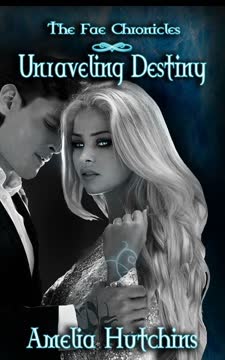
Unraveling Destiny reimagines the fantasy epic as a generational story of trauma, sacrifice, and the relentless work of choosing family—again and again. At its core is the question: What does it cost to save a world, a family, or even oneself? Amelia Hutchins offers dark romance that never lets its heroine—and, by extension, the reader—escape the weight of consequence. Her Faery is no escapist Eden, but a world where every blessing (love, power, children, home) must be paid for in blood, and often heartbreak. The novel's lessons are unflinchingly clear: True leadership is neither inherited nor freely offered; it is seized, at terrible cost, and only by those willing to wield both compassion and savagery. Love is not a magic that supersedes pain, but the very reason pain is survived—and even transcended. The narrative's modern resonance is sharp: cycles of trauma and violence cannot be broken by wishful thinking or raw power alone, but by the willingness to mourn, to rage, and—above all—to choose hope anyway. In the end, Unraveling Destiny is a testament to battered joy: that happiness, like magic, is hard-won, and that any future worth having must be remade—again and again—from the ruins of the past.
Review Summary
Unraveling Destiny receives mixed reviews, averaging 4.31 stars. Many fans loved Synthia's fierce character development and the action-packed plot, praising the intertwining of multiple series. However, common criticisms include Ryder being reduced to a side character, excessive dialogue and info-dumping, too few romantic/intimate scenes, and a lack of meaningful plot progression. Several readers felt the book required reading companion novels to fully understand events, which frustrated those who only wanted Ryder and Syn's story. Earlier books in the series are generally considered superior.
People Also Read



Characters
Synthia McKenna
Synthia is the soul of the series: a woman forged in trauma—former assassin, child of two worlds—reborn as goddess, queen, and mother. Her arc is one of relentless self-doubt, stubborn loyalty, and black-humored courage. Psychoanalytically, she embodies the survivor: traumatized by loss, yet driven to protect and nurture, fiercely resistant to authority yet willing to wield ultimate power. Her relationships—especially with beleaguered lover Ryder, her children, dead best friend Larissa, and absentee mother Danu—force her to repeatedly choose between love and duty. As both outsider and eventual center, she bridges the human and fae, becoming more than the sum of her parts. Her leadership fuses compassion and ruthless violence, and her relentless refusal to accept fate as written embodies both hope and hubris. Synthia's journey is a study in the cost—and the necessity—of choosing love, even when it demands everything.
Ryder
Ryder is the quintessential alpha male: scarred by the monstrous legacy of his father, driven by complex codes of strength, loyalty, and rage. As Horde King and newlywed, he is both Synthia's partner and her shadow: her happiness is his joy, her pain his shame. Ryder's arc is marked by the struggle with his own darkness—literally embodied in his beast—and the tension between tenderness and brutality. His relationship with Synthia is the heart of the story: a mutual obsession, a partnership built on the deep recognition of each other's trauma and wildness. As a father, brother, and husband, Ryder is constantly measuring himself against the failures of the past, determined to do better—but never fully escaping guilt or the violence he was born into.
Danu
Danu is the heart and the silent power behind Faery—an immortal who loves mortals too much. Her arc is defined by tragic sacrifice: she chooses Synthia's life over her own and, through this ultimate maternal act, both saves and dooms Faery to crisis. Danu's relationship with Synthia is fraught with secrecy, regret, and fierce love; her presence hovers as a guiding spirit even in death. Psychoanalytically, Danu embodies the archetypal mother—both nurturing and terrible, source of both hope and inevitable loss. Her final farewell is both a closure and an invocation—passing the burdens of divinity to her daughter, praying that mistakes made will not be repeated.
Ristan
Ristan is light in darkness: irreverent and sexually outrageous, but hiding centuries of longing, hurt, and guilt. His bond with Synthia is deep, blending humor, care, and occasional rivalry; with Ryder, it is brotherhood tested by trauma. Ristan's own tragedies—sterilization, lost love with Danu—make his later gifts (restored fertility, family with Olivia) all the more poignant. He is the easy confidant who, when pressed, reveals depths of pain and wisdom behind the jokes. Ristan teaches that healing is possible, but scars remain—and sometimes the only way through is to laugh until you can't.
Ciara
Ciara, Ryder's fierce sister, is both a symbol of all that is vulnerable in the new Faery and a catalyst for old grievances (the genocide of Dragons) to return with a vengeance. Placed in peril, she becomes an unexpected agent of peace, risking herself to negotiate a truce that only a woman—both victim and leader—can broker. Her role complements Synthia's: a woman defined as much by her ability to endure as by her capacity to shape destiny.
Zahruk
Zahruk bridges Synthia's inner circle and the larger political machinery of Faery's elite. Often stoic, he becomes the steady hand, the necessary critic, and, at times, the only voice who can challenge Synthia or Ryder's impulses. His loyalty is tempered by experience; his willingness to do the gruesome work of leadership speaks to the shadow side of power. Zahruk's growth is measured not in grand gestures, but in the quiet, constant support he offers, especially in the wake of loss and betrayal.
Madisyn
Madisyn, Synthia's adoptive mother, is both the orchestrator of joy (insisting on grand weddings and family celebrations) and the embodiment of generational pain (her son Faolán's fall). Her inability to protect her children from doom is mirrored by her efforts to build new traditions and safe havens. Madisyn's journey is one of reconciling hope with heartbreak—a mother's lesson for daughters who will one day lose her.
Alden
Alden is the constant in a shifting world—a teacher, a guardian, and often a surrogate father. Torn between loyalty to tradition and growing realization of the Guild's corruption, Alden serves as a touchstone for Synthia's evolution. He is a figure marked by regret, his hands literally—and metaphorically—bloodied by the sins of the past. The arc of his forgiveness, both given and sought, provides a parallel to Synthia's rise as queen.
Callaghan (Paladin)
Callaghan, the Paladin who aids in awakening the Original Witch, represents the bridge between the supernatural and the divine—between old orders and new alliances. His backstory as a seemingly simple Druid hides a legacy of ancient power and deep knowledge. He is both ally and caution, forcing Synthia to recognize that not all magical actors are enemies or easy friends.
Hannah (Original Witch)
Awoken from millennia of stasis, Hannah is both victim and threat—a being of immense power who chooses, ultimately, not to pursue vengeance on humans, distinguishing her from her sisters. She forms a fraught bond with Synthia, recognizing common pain and purpose. Her arc is a meditation on the cost of suffering across generations, and on the possibility of breaking cycles of hate—if, and only if, someone is willing to pay the price.
Plot Devices
Portals as Metaphor and Mechanism
The fracturing portals are both literal threats to the integrity of Faery and Tèrra and metaphors for the dissolution of boundaries: between family and nation, love and duty, human and fae, past and present. Their growth is driven not merely by outside attack, but by ancient crimes, buried secrets, and self-destructive cycles. The inability of even the greatest magic to easily close them underscores the necessity for compromise, sacrifice, and the facing of old wounds.
Sacrifice and the Price of Power
Recurring throughout the narrative is the motif that nothing comes without cost—whether it's magical interference, maternal love, romantic commitment, or leadership. Synthia's miscarried child, Danu's death, the collapse of old alliances, and the need to perform violence to secure peace all reinforce the theme: power is never "free." Characters repeatedly recognize that their choices, no matter how justified, incur debts—on themselves, their families, and the worlds they hope to save.
Role Reversal and Gender
The story is a race against time, but also against patriarchy's expectations. Women—Synthia, Danu, Ciara, Hannah—are forced to become both cosmic mothers and nation-defenders, wielding violence where necessary. Love is not a soft force, but the steel behind action. At the same time, the male characters (Ryder, Ristan, Zahruk) are allowed vulnerability, demonstrating depth and self-sacrificing love, challenging old narratives of masculine authority.
Fate vs. Free Will
The gods, fate, and prophecies loom large, but their edicts are mutable. Synthia is warned repeatedly—by Destiny, by the gods—that every interference changes the cosmic balance, yet she refuses to allow fate to bind her or those she loves. The story thus critiques fatalism itself: destiny is both a web and a battlefield, and the only way forward is to choose—again and again—knowing the price, and paying it willingly.
Trauma, Memory, and Healing
From the sacrificial spirits in the Guild catacombs to the ever-present griefs of dead lovers, children, and parents, the narrative is drenched in the past. Healing is gained not by forgetting—nor by vengeance alone—but by confronting ancestral sin and choosing to move through pain, carrying love and loss as equal burdens.