أهم النقاط
1. ابتكر افتتاحيات جذابة تجذب انتباه جمهورك
"ندعوك بكل سرور …"
اجذب الانتباه فورًا. الكلمات الأولى في نصك الإعلاني هي المفتاح لشد اهتمام جمهورك. استخدم أسئلة مثيرة، أو عبارات جريئة، أو مقدمات مشوقة تثير الفضول وتدفع القارئ للاستمرار. من التقنيات الفعالة:
- بدء بسؤال استفزازي: "هل سئمت من الوعود الفارغة من...؟"
- تقديم ادعاء جريء: "نقدم لك _____ الذي يدير نفسه عمليًا."
- توجيه دعوة حصرية: "لقد تم اختيارك لـ..."
- وعد بحل لمشكلة شائعة: "وداعًا لـ..."
تذكر أن افتتاحيتك يجب أن تكون ذات صلة بعرضك وتتوافق مع رغبات أو مشكلات جمهورك المستهدف. بداية قوية تضع نغمة النص وتزيد فرص التفاعل.
2. أبرز فوائد المنتج لإثارة الرغبة
"ستتساءل كيف كنت تعيش بدونه."
ركز على نتائج العميل. رغم أهمية وصف ميزات المنتج، إلا أن الفوائد هي التي تبيع حقًا. حوّل الميزات إلى مزايا ملموسة تحسن حياة عملائك. بعض الطرق لتسليط الضوء على الفوائد:
- استخدم لغة حية ترسم صورة للحياة مع منتجك
- استعرض سيناريوهات "قبل وبعد" لتوضيح التحول
- أبرز الجوانب التي توفر الوقت أو المال أو تحسن الحياة
- تناول نقاط الألم المحددة وكيف يحلها منتجك
مثلاً، بدلًا من ذكر "دعم العملاء 24/7" كميزة فقط، أبرز الفائدة: "راحة البال مع خبراء متاحين دائمًا، ليلاً ونهارًا." بالتركيز على الفوائد، تبني علاقة عاطفية وتجعل عرضك أكثر جاذبية وملاءمة لجمهورك.
3. استخدم لغة إقناعية لتجاوز الاعتراضات
"لديك الكثير لتكسبه ولا شيء لتخسره."
تعامل مع المخاوف بشكل استباقي. توقع الاعتراضات المحتملة وواجهها مباشرة في نصك. استخدم لغة مقنعة وحجج منطقية لتخفيف الشكوك وبناء الثقة في عرضك. بعض التقنيات الفعالة:
- قدم تجارب مجانية أو ضمانات استرداد المال
- اعرض دليل اجتماعي من خلال شهادات ودراسات حالة
- قارن عرضك بشكل إيجابي مع البدائل
- استخدم كلمات مثل "مُثبت"، "مضمون"، و"خالي من المخاطر"
يمكن للنقاط المختصرة أن تلخص نقاط البيع الرئيسية:
- "تجربة خالية من المخاطر لمدة 30 يومًا"
- "انضم إلى آلاف العملاء الراضين"
- "مدعوم بضمان رضا 100%"
بمعالجة الاعتراضات مسبقًا، تزيل الحواجز أمام الشراء وتزيد فرص التحويل.
4. أوجد إحساسًا بالعجلة لتحفيز الفعل
"لا تفوت هذه الفرصة النادرة."
حفز الاستجابة الفورية. يميل البشر إلى التسويف، لذا فإن خلق إحساس بالعجلة يعد دافعًا قويًا لاتخاذ القرار. استخدم عروضًا محدودة الوقت، أو ندرة في الكمية، أو فرصًا حصرية لتشجيع القرارات السريعة. بعض العبارات الفعالة:
- "عرض لفترة محدودة"
- "تبقى فقط X أماكن"
- "ينتهي العرض عند منتصف الليل"
- "اتخذ قرارك الآن قبل فوات الأوان"
كن حذرًا من الإفراط في استخدام أساليب العجلة، لأنها قد تقلل من فعاليتها وتضر بالمصداقية. بدلاً من ذلك، قدم أسبابًا حقيقية لاتخاذ إجراء سريع، مثل مخزون محدود أو مكافآت حساسة للوقت.
5. استعن بالدليل الاجتماعي والسلطة لبناء الثقة
"يعتمد على _____ أكثر من _____ مليون عميل راضٍ."
أظهر المصداقية والشعبية. يميل الناس إلى اتباع الجماعة والثقة في الشخصيات ذات السلطة. دمج الدليل الاجتماعي وتأييد الخبراء يعزز الثقة في عرضك. أشكال الدليل الاجتماعي الفعالة تشمل:
- شهادات العملاء وقصص النجاح
- الجوائز والشهادات الصناعية
- التغطية الإعلامية والذكر في الصحافة
- تأييد الخبراء أو المشاهير المرموقين
- إحصائيات الاستخدام (مثلاً: "موثوق به من أكثر من مليون عميل")
عند استخدام الدليل الاجتماعي، كن محددًا وأصيلًا. الأسماء الحقيقية، الصور، والتفاصيل الدقيقة أكثر إقناعًا من الادعاءات الغامضة أو المجهولة. اجمع بين أنواع مختلفة من الدليل الاجتماعي لتكوين حجة قوية لمصداقية وفعالية منتجك أو خدمتك.
6. قدم ضمانات قوية لتقليل المخاطر المتصورة
"إذا لم تكن راضيًا 100%، فقط أعد طلبك خلال _____ يومًا ولن تدفع شيئًا."
ابنِ الثقة من خلال التأكيدات. الضمان القوي يقلل بشكل كبير من المخاطر المتصورة عند الشراء، خاصة للمنتجات الجديدة أو المكلفة. الضمانات الواضحة والصديقة للعميل تعكس ثقة في عرضك وتجعل من السهل على المشترين المحتملين قول "نعم". عناصر الضمان الفعالة تشمل:
- أطر زمنية محددة (مثلاً: "ضمان استرداد المال خلال 30 يومًا")
- شروط غير مشروطة (مثلاً: "بدون طرح أسئلة")
- استرداد كامل أو استبدال
- ضمانات ممتدة للسلع المتينة
ابرز ضمانك بوضوح في نصك واشرحه بشكل مفصل لتعظيم تأثيره. الضمان المصمم جيدًا يمكن أن يكون أداة قوية للتمييز والإغلاق.
7. اختم بدعوة واضحة وجذابة لاتخاذ الإجراء
"للاستفادة من هذه الفرصة الرائعة، ما عليك سوى ملء وإعادة البطاقة المرفقة."
وجه الخطوة التالية. يجب أن يكون لكل نص تسويقي هدف واضح وإجراء مرغوب. سهّل على جمهورك الاستجابة من خلال تقديم دعوة محددة وواضحة لاتخاذ الإجراء (CTA). الدعوات الفعالة تكون:
- واضحة ومباشرة (مثلاً: "اطلب الآن" أو "ابدأ تجربتك المجانية")
- بارزة وسهلة الوصول
- مكررة في النصوص الطويلة
- مصحوبة بتعليمات بسيطة (مثلاً: "اتصل على 1-800-555-1234")
استخدم لغة تحفز على الفعل وخلق إحساس بالعجلة في الدعوة. فكر في تقديم خيارات متعددة للرد (هاتف، ويب، بريد) لتلبية تفضيلات مختلفة. الدعوة القوية هي الجسر بين الاهتمام والفعل، فاجعلها سهلة وسلسة قدر الإمكان.
8. خصص رسالتك لجمهورك المستهدف
"بصفتك _____، أنت تعلم مدى أهمية ..."
تحدث مباشرة إلى عميلك المثالي. النص الفعّال يتجاوب مع جمهوره المستهدف من خلال معالجة احتياجاته ورغباته ومشكلاته الخاصة. ابحث جيدًا في سوقك المستهدف وصغ رسالتك بلغة تناسبه. اعتبر:
- الخصائص الديموغرافية (العمر، الجنس، الدخل، التعليم)
- الخصائص النفسية (القيم، الاهتمامات، أسلوب الحياة)
- المخاوف والمصطلحات الخاصة بالصناعة
استخدم هذه المعرفة لـ:
- اختيار النبرة والمفردات المناسبة
- معالجة نقاط الألم والرغبات المحددة
- إبراز الفوائد الأكثر صلة
- اختيار أمثلة وتشبيهات جذابة
بتخصيص رسالتك، تبني علاقة أقوى مع جمهورك وتزيد من ملاءمة وإقناع نصك.
9. استخدم لغة حسية حية لتجسيد عرضك
"… كأنك تطفو على سحابة ناعمة"
ارسم صورة حية. حفز خيال القارئ باستخدام لغة وصفية غنية بالحواس. هذا يساعد على خلق تجربة أكثر غمرًا وذاكرة، مما يجعل عرضك أكثر واقعية وجاذبية. تقنيات الكتابة الحية تشمل:
- استخدام الحواس الخمس في الوصف
- تقديم تفاصيل محددة وملموسة بدلًا من العموميات الغامضة
- إدخال الاستعارات والتشبيهات
- اختيار أفعال نشطة ومؤثرة
مثلاً، بدلًا من "كرسي مريح"، يمكنك القول "استغرق في وسائد ناعمة كالسحاب تحتضنك براحة فاخرة." من خلال تحفيز الحواس والخيال، تخلق رسالة أكثر تأثيرًا وذاكرة.
10. اجعل نصك موجزًا وواضحًا ومركزًا على العميل
"اكتب لتبيع."
أعطِ الأولوية للوضوح والملاءمة. في عصر فيضان المعلومات، النص الواضح والموجز أصبح أكثر أهمية من أي وقت مضى. ركز على إيصال رسائلك الرئيسية بكفاءة وفعالية. نصائح لكتابة نص واضح ومركز على العميل:
- استخدم جمل وفقرات قصيرة
- تجنب المصطلحات المعقدة وغير الضرورية
- نظم المعلومات بشكل منطقي (مثلاً: صيغة المشكلة والحل)
- احذف الكلمات الزائدة أو المكررة
- استخدم العناوين الفرعية والنقاط لتسهيل القراءة السريعة
تذكر أن تركز على العميل، لا على شركتك. بدلًا من "نحن نقدم خدمة عملاء ممتازة"، قل "ستحصل دائمًا على مساعدة خبراء عند حاجتك." بالتركيز على الوضوح وفوائد العميل، تخلق نصًا أكثر جاذبية وإقناعًا يحقق النتائج.
ملخص المراجعات
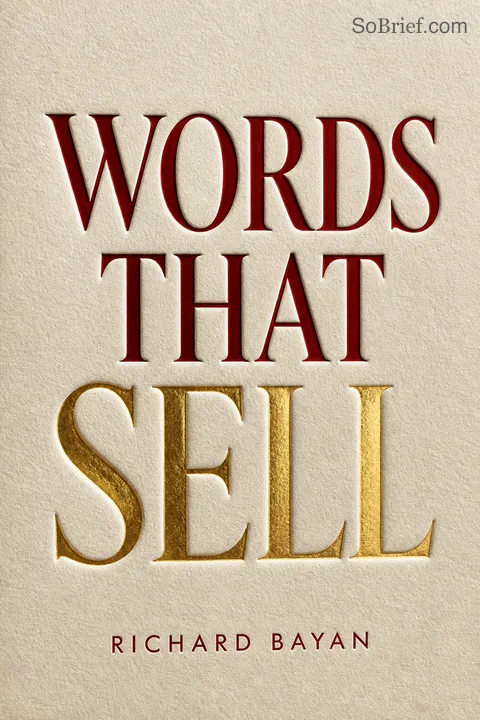
يُعتبر كتاب "الكلمات التي تبيع" مرجعًا هامًا وقيّمًا لكُتّاب الإعلانات والمسوقين على حد سواء. يثني القراء على قوائمه الشاملة من الكلمات والعبارات الإقناعية، حيث يجدون فيه مصدرًا غنيًا للأفكار وأداة فعالة لتحسين نصوص المبيعات. وعلى الرغم من أن بعض المراجعين يشيرون إلى أن بعض العبارات تبدو قديمة الطراز، إلا أن الكثيرين لا يزالون يعتبرونه رفيقًا مفيدًا على المكاتب. ويُشيد بالهيكل التنظيمي للكتاب الذي يشبه القاموس المرجعي لما يتمتع به من عملية وسهولة في الاستخدام. ورغم وجود انتقادات تتعلق بتكرار بعض العبارات النمطية، إلا أن الكتاب يُنظر إليه بشكل عام كأداة قيمة للمحترفين في مجالات الإعلان والتسويق والكتابة.
قرأ الآخرون أيضًا


الأسئلة الشائعة
1. What is "Words That Sell" by Richard Bayan about?
- Comprehensive Copywriting Thesaurus: "Words That Sell" is a reference book that compiles over 6,000 words and phrases specifically designed to help promote products, services, and ideas in advertising and marketing.
- Practical Resource for Promotion: The book serves as a specialized thesaurus, offering categorized lists of persuasive language for use in headlines, product descriptions, calls to action, and more.
- Structured for Sales Writing: It is organized to mirror the natural flow of sales copy, from attention-grabbing openers to benefit-driven descriptions and persuasive closers.
- Applicable Beyond Copywriters: While aimed at copywriters, it is also valuable for entrepreneurs, marketers, business owners, and anyone involved in promotional writing.
2. Why should I read "Words That Sell" by Richard Bayan?
- Instant Inspiration: The book provides quick access to powerful words and phrases, helping you overcome writer’s block and craft compelling copy on demand.
- Boosts Persuasive Power: Using the right language can significantly increase the effectiveness of your marketing materials, making your offers more attractive and memorable.
- Saves Time and Effort: Instead of searching for the perfect word or phrase, you can find ready-made options organized by topic, streamlining your writing process.
- Widely Applicable: Whether you’re writing ads, emails, brochures, or web content, the book’s content is relevant across all forms of promotional communication.
3. Who is the intended audience for "Words That Sell" by Richard Bayan?
- Copywriters and Marketers: The primary audience is advertising copywriters and marketing professionals seeking to enhance their persuasive writing.
- Entrepreneurs and Business Owners: Small business owners, entrepreneurs, and sales professionals can use the book to improve their promotional materials.
- Public Relations and Sales Teams: PR professionals, sales reps, and managers will find the book useful for crafting pitches, press releases, and sales letters.
- Anyone Writing to Persuade: The book is also suitable for webmasters, content creators, and anyone who needs to write to influence or motivate an audience.
4. How is "Words That Sell" by Richard Bayan organized, and how should I use it?
- Four Main Sections: The book is divided into Grabbers (attention-getters), Descriptions and Benefits (product/service qualities), Clinchers (closing statements), and Special Strategies (advanced techniques).
- Topic-Based Lists: Each section contains lists of words and phrases grouped by specific concepts, such as “Comfortable,” “Exciting,” or “Money-Saving.”
- Cross-References and Index: Cross-references at the end of each list and a comprehensive keyword index help you quickly find related ideas and alternative expressions.
- Customizable Patterns: Many phrases include blanks or ellipses, allowing you to adapt them to your specific product or message.
5. What are the key takeaways from "Words That Sell" by Richard Bayan?
- Words Drive Action: The right words and phrases can dramatically increase the persuasive power of your copy and drive customer response.
- Benefit-Focused Writing: Emphasizing customer benefits over product features is essential for effective promotional writing.
- Structure Matters: Successful copy follows a logical progression: grab attention, describe benefits, minimize risk, and close with a strong call to action.
- Continuous Improvement: The book encourages users to expand and personalize their own collection of selling words and phrases over time.
6. What is Richard Bayan’s approach to copywriting as described in "Words That Sell"?
- Research and Positioning: Start by understanding your product, its unique position, and your target audience’s needs and desires.
- Customer-Centric Messaging: Focus on what the product or service does for the customer, not just what it is.
- Emotional Engagement: Use language that appeals to emotions rather than intellect, as emotions are more likely to drive action.
- Clarity and Honesty: Avoid overstatements, be specific, and ensure all claims are truthful and substantiated.
7. What are the main categories of copy covered in "Words That Sell" by Richard Bayan?
- Grabbers: Techniques and phrases for headlines, teasers, slogans, and opening statements that capture attention.
- Descriptions and Benefits: Words and phrases to describe product qualities, advantages, and customer benefits.
- Clinchers: Persuasive closing statements, including guarantees, calls to action, and order information.
- Special Strategies: Advanced tactics for enhancing company image, justifying price, differentiating from competitors, and flattering the reader.
8. How does "Words That Sell" by Richard Bayan help with specific copywriting challenges?
- Overcoming Writer’s Block: Provides ready-to-use language for any stage of the sales message, making it easier to start and finish copy.
- Adapting to Different Media: Offers guidance and examples for various formats, including catalogs, direct mail, web content, emails, and ads.
- Customizing for Audience and Product: Lists are organized by concept, allowing you to tailor your message to different products, audiences, and marketing goals.
- Minimizing Risk and Objections: Includes phrases for risk-reversal, guarantees, and addressing customer hesitations.
9. What are some standout methods or advice from "Words That Sell" by Richard Bayan for writing effective copy?
- Use Grabbers First: Start with a strong headline or teaser to draw the reader in.
- Stress Benefits Over Features: Always translate product features into clear, customer-focused benefits.
- Be Specific and Vivid: Use concrete details and vivid imagery to make your message memorable and credible.
- Close with a Call to Action: Always end with a direct, persuasive invitation for the reader to take the next step.
10. How does "Words That Sell" by Richard Bayan address the evolution of advertising language?
- Classic and Contemporary Language: The book balances timeless selling phrases with updated, informal, and conversational language reflecting modern trends.
- Less Formality, More Attitude: Recognizes the shift toward more relaxed, direct, and emotionally engaging copy, with fewer exclamation points and less “puffery.”
- Retention of Proven Phrases: Maintains many classic phrases that continue to be effective, while removing outdated or clichéd expressions.
- Adaptability: Encourages users to adapt language to current fashions without losing sight of what consistently motivates buyers.
11. What are some of the most useful word lists or categories in "Words That Sell" by Richard Bayan?
- Teasers and Free Offers: Lists for creating irresistible headlines and offers, such as “Free,” “Sale/Discount,” and “Trial Offer.”
- Benefit-Driven Descriptions: Categories like “Comfortable,” “Exciting/Stimulating,” “Money-Saving,” and “Superior” help articulate product advantages.
- Risk-Reduction and Guarantees: Phrases for minimizing customer risk and building trust, including “No Obligation,” “Risk-Free,” and “Satisfaction Guaranteed.”
- Special Strategies: Sections on “Enhancing Your Company’s Image,” “Knocking the Competition,” and “Flattering the Reader” provide advanced persuasive techniques.
12. What are the best quotes from "Words That Sell" by Richard Bayan and what do they mean?
- “A copywriter’s tools are words, and the most effective tools are words that sell.” – Emphasizes the central role of language in persuasive writing.
- “It’s not ‘See how great we are,’ but ‘See what we can do for you.’” – Highlights the importance of customer-focused messaging.
- “Your writing should be more than a flat presentation of the facts. (Remember that a copywriter must persuade and motivate.)” – Stresses the need for copy to inspire action, not just inform.
- “Instead of groping for words, your mind will be free to focus on the real task of advertising and other promotional writing: shaping a message that generates an enthusiastic response from your audience.” – Underlines the value of having a ready arsenal of selling words to streamline the creative process.








































